 how-to
Chronic Dry Eye Treatment Options: A Complete Guide
Table of Contents
- Understanding Chronic Dry Eye and When Treatment Becomes Necessary
- Artificial Tears and Lubricating Eye Drops as First-Line Relief
- Prescription Eye Drops for Dry Eye and Anti-Inflammatory Medication
- Eyelid Hygiene and Warm Compresses for Daily Management
- Meibomian Gland Dysfunction Treatment and Blocked Oil Gland Solutions
- In-Office Dry Eye Treatments and Device-Based Procedures
- Dry Eye Home Remedies, Lifestyle Changes, and Environmental Control
- Frequently Asked Questions
Last Updated: October 8, 2026
Understanding Chronic Dry Eye and When Treatment Becomes Necessary
[Chronic dry eye disease](/dry-eyes) affects millions, from mild irritation to severe discomfort that impacts daily life.
Chronic dry eye occurs when your eyes don't produce enough tears or the tears are poor quality. Your tear film has three layers, oil, water, and mucus, and when any layer fails, dryness follows.
Severity varies: some have mild symptoms that come and go, while others deal with constant irritation, redness, and blurred vision affecting work and hobbies.
Why the Subtype Matters More Than the Symptom
Most people describe dry eye the same way: burning, grittiness, a foreign-body sensation, fluctuating blur.
Aqueous-deficient dry eye means your lacrimal glands aren't making enough of the watery layer.
Evaporative dry eye means you're making tears, but they break up too fast.
Many patients have a mixed picture: low aqueous production plus poor oil quality. That's why a single treatment often falls short and a layered plan works better.
What a Real Evaluation Looks Like
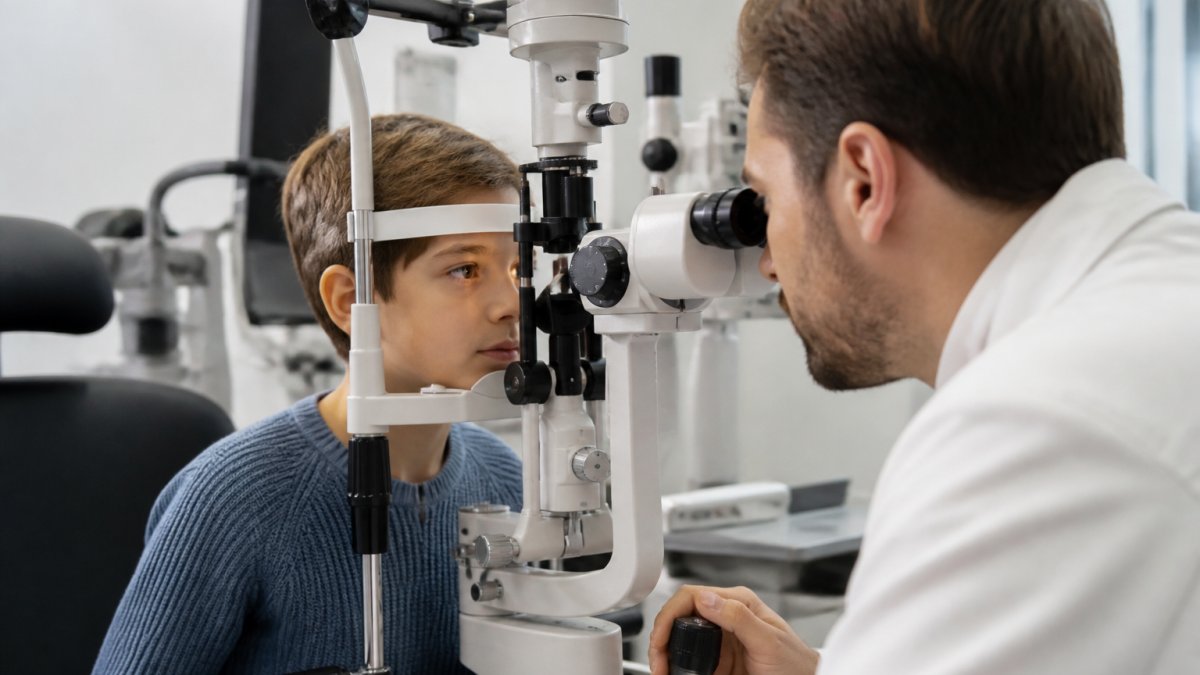
A proper dry eye workup is more than a vision test. Several quick, in-office measurements can point to the subtype:
- Tear breakup time (TBUT): dye is placed in the eye and the clinician times how long the tear film stays intact. A short breakup time points toward evaporative disease.
- Schirmer's test: a paper strip under the lower lid measures tear volume; low output points toward aqueous deficiency.
- Ocular surface staining: dye highlights areas where the cornea or conjunctiva has been damaged by dryness.
- Meibography or gland expression: imaging or gentle pressure reveals whether meibomian glands are blocked, atrophied, or producing poor-quality oil.
Your eye doctor combines these results with your history to place you on the aqueous-deficient, evaporative, or mixed side of the map. That placement, not the symptom list, drives the treatment plan.
Artificial Tears and Lubricating Eye Drops as First-Line Relief
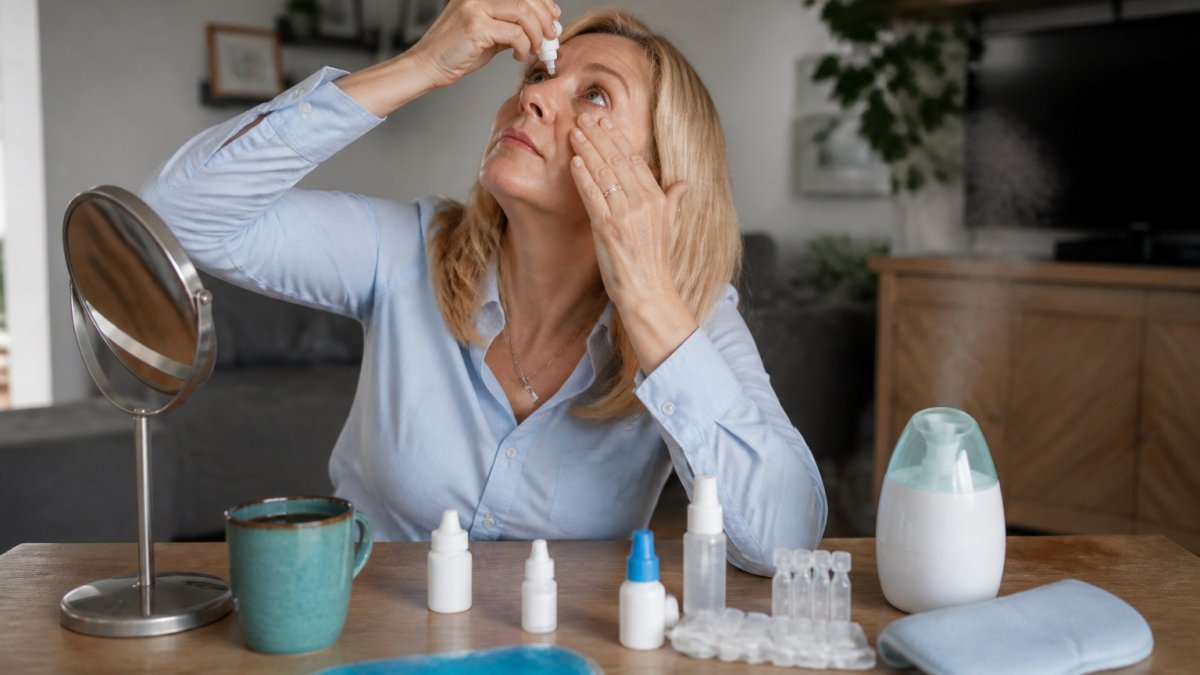
Most people start with artificial tears when their eyes feel dry.
Artificial tear brands differ mainly in ingredients and longevity. Preservatives can irritate sensitive eyes with repeated use, so preservative-free single-use vials suit people who need drops multiple times daily.
For chronic dry eye, artificial tears alone often aren't enough. They wash away quickly, don't address the underlying cause, and hourly reapplication is impractical.
Prescription Eye Drops for Dry Eye and Anti-Inflammatory Medication
When artificial tears don't provide enough relief, prescription eye drops are the next step.
Cyclosporine (Restasis) is one of the most commonly prescribed drops for chronic dry eye disease.
Lifitegrast (Xiidra) is a newer prescription drop that reduces inflammation by blocking immune cells that damage tear glands.
Prescription drops require consistent daily use and patience, but they address what artificial tears cannot: the disease process driving your chronic dry eye.
Eyelid Hygiene and Warm Compresses for Daily Management
Your eyelids contain oil glands called meibomian glands that release oil into your tear film. When they get blocked or inflamed, tears evaporate too quickly, causing chronic dry eye symptoms.
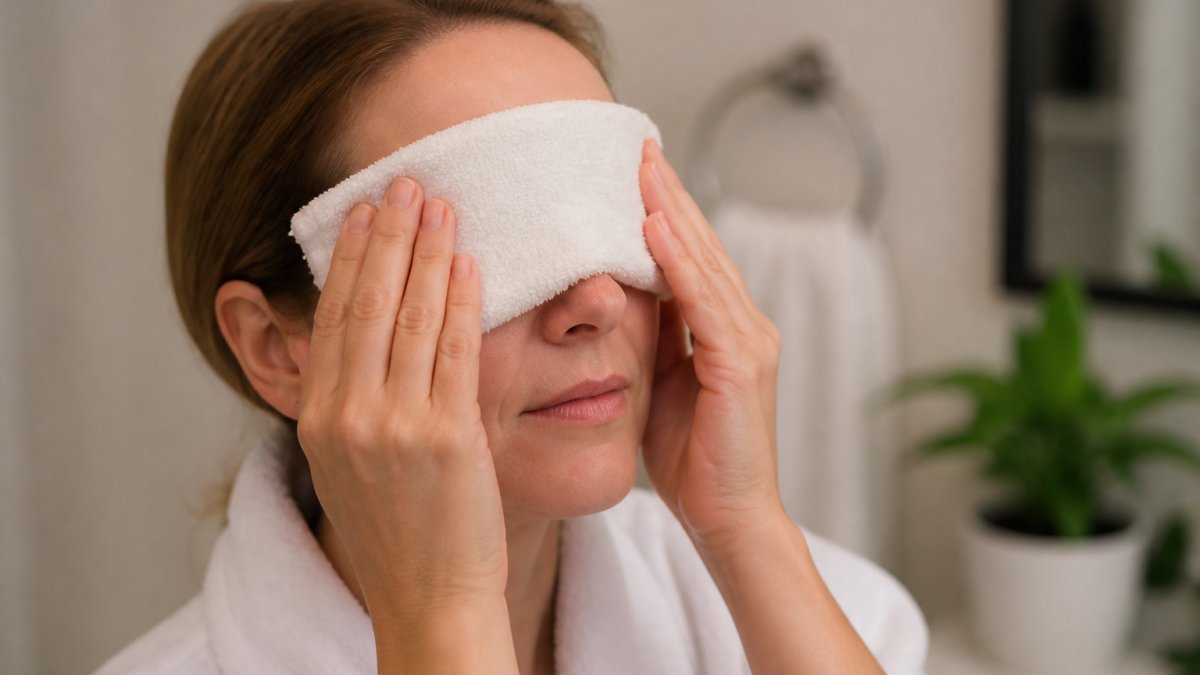
A simple warm compress routine takes five minutes.
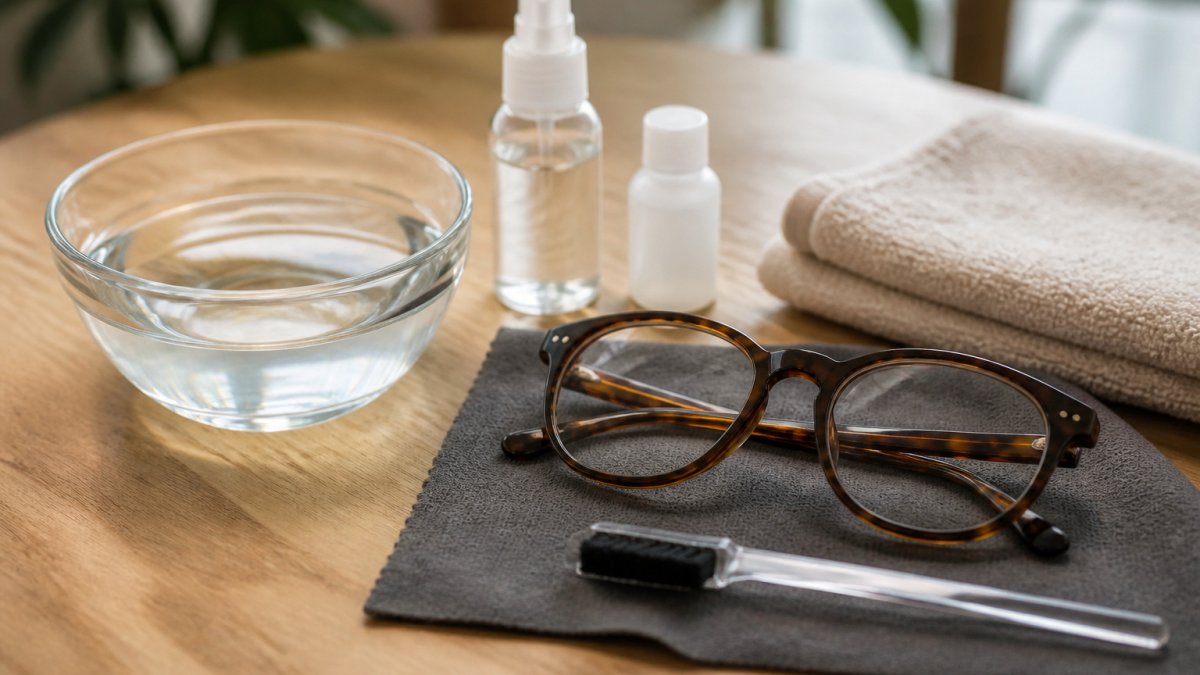
Lid cleaning removes debris and bacteria that clog glands and cause inflammation.
These habits address meibomian gland dysfunction, one of the most common causes of chronic dry eye.
Meibomian Gland Dysfunction Treatment and Blocked Oil Gland Solutions
Meibomian gland dysfunction is the leading cause of chronic dry eye disease. Your glands produce thick, waxy oil that should flow freely onto the eye surface. When glands get blocked, inflamed, or produce poor-quality oil, tears break down too quickly and your eyes dry out. (Source: three layers of the tear film)
Several in-office treatments specifically target meibomian gland dysfunction:
These treatments work best combined with home care, restoring normal oil flow so your tear film stays stable. Some people need repeated treatments over several months; others see lasting improvement after one or two sessions. Your eye doctor will recommend an approach based on severity and your response to initial treatment.
In-Office Dry Eye Treatments and Device-Based Procedures
When medications and home care aren't enough, several in-office procedures can provide longer-lasting relief from chronic dry eye. They differ widely in evidence, time to effect, durability, and cost.
Intense Pulsed Light (IPL) Therapy
IPL uses controlled pulses of broad-spectrum light across the eyelids and upper cheeks to reduce inflammation, calm abnormal blood vessels, and improve meibomian gland function. It's most often recommended when evaporative dry eye is tied to rosacea, blepharitis, or visible eyelid inflammation.
- Typical course: three to four sessions spaced two to four weeks apart, with maintenance every six to twelve months for some patients.
- Timeline to effect: many patients notice improvement after the second or third session, not the first.
- Durability: results vary; some hold improvement for months, others need regular maintenance.
- Safety and burden: the pulses feel like a brief snap of warmth. Temporary redness, mild swelling, or lightening of freckles near the treatment area can occur. IPL isn't appropriate for everyone, darker skin tones, recent sun exposure, and certain light-sensitivity medications require extra caution, and your clinician will screen for these.
Low-Level Light Therapy (LLLT)
LLLT uses red and near-infrared light, often delivered through a mask worn for a few minutes per session, to stimulate tear gland cells and reduce inflammation. It's gentle and well tolerated, making it reasonable for patients who can't use medications or want an adjunct to home care.
- Typical course: short sessions repeated over several weeks.
- Timeline to effect: improvement is usually gradual over weeks rather than immediate.
- Durability: evidence is still developing; results are generally described as supportive rather than curative.
- Safety and burden: minimal side effects reported; the main burden is the time and cost of repeated visits.
- Cost and coverage: like IPL, often considered elective and paid out of pocket. Confirm pricing and whether the practice offers a package rate.
Punctal Plugs
Punctal plugs are tiny devices inserted into the tear drainage ducts (puncta) at the inner corner of each eyelid to keep your own tears on the eye surface longer. They suit low tear volume rather than poor tear quality.
- Types: dissolvable plugs (lasting weeks to a few months) and silicone plugs (longer-lasting, removable).
- Timeline to effect: many patients notice increased comfort within days.
- Durability: silicone plugs can stay in for extended periods and are reversible; dissolvable plugs serve as a trial before committing.
- Safety and burden: generally well tolerated. Possible issues include plug loss, irritation, or, rarely, infection or tear overflow. A dissolvable-plug trial first is a common, low-risk way to test the concept.
- Cost and coverage: often covered by insurance when medically documented, though coverage varies. Ask your practice to verify benefits before scheduling.
Specialty Contact Lenses (Scleral Lenses)
Scleral lenses are large, rigid lenses that vault over the cornea and rest on the white of the eye, creating a fluid reservoir that continuously bathes the eye surface. They're typically reserved for severe or refractory dry eye, including cases tied to autoimmune disease or ocular surface damage.
- Timeline to effect: relief can be immediate once properly fitted, but fitting takes multiple visits and adjustments.
- Durability: with good care, lenses last one to two years; relief is continuous while worn.
- Safety and burden: requires a real learning curve, insertion, removal, cleaning, and daily wear discipline. Risks include infection if hygiene slips, and some patients can't tolerate the lens.
- Cost and coverage: custom fitting is expensive and often not covered by medical insurance; some vision plans may offset part of the cost. Expect a fitting fee plus the lens cost, and ask about the practice's refitting and warranty policy.
Other In-Office Options Worth Knowing
- Thermal pulsation devices (such as LipiFlow) apply controlled heat and gentle pressure to melt and express blocked meibomian glands. Typically one treatment with possible repeats; often paid out of pocket.
- Manual gland expression uses a specialized tool to physically clear blocked glands in the office. Usually combined with other therapies.
- Microblepharoexfoliation removes the outer layer of eyelid debris and biofilm to clear gland openings; often bundled with lid hygiene coaching.
- Amniotic membrane and biologic corneal bandages are used for more severe ocular surface damage and are typically reserved for specific clinical situations.
How to Choose
A few principles apply broadly when considering dry eye procedures:
- Match the procedure to the subtype. Punctal plugs help aqueous-deficient eyes more than evaporative ones; some thermal devices target meibomian gland dysfunction.
- Start with the least invasive, most reversible option that fits your diagnosis, a dissolvable plug trial before a permanent one, home lid care before an in-office device.
- Ask about evidence and durability, not just availability. "How long does this usually last, and what happens if it doesn't work?" is the most useful question you can ask.
- Get the full cost picture up front, including coverage, per-session and total-course price, and whether maintenance sessions are expected.
Some people benefit from combining treatments, such as punctal plugs plus daily lid care, for example, rather than any single approach. The right combination depends on your subtype, severity, and response to the first step.
Dry Eye Home Remedies, Lifestyle Changes, and Environmental Control
Beyond medical treatments, daily habits and environment significantly impact chronic dry eye.
Screen time management reduces tear evaporation.
Environmental triggers make chronic dry eye worse.
Hydration and sleep support tear production.
Avoid irritants that trigger flare-ups. Cigarette smoke, chlorine, and certain eye makeup worsen chronic dry eye.
These lifestyle changes work best alongside professional treatment, addressing factors you can actually control.
The key is working with an eye care professional who takes time to understand your specific dry eye disease. At Corner Optical, we conduct comprehensive eye exams and advanced diagnostics to pinpoint the root cause of your chronic dry eye. If you're struggling with chronic dry eye, schedule an appointment so we can develop a strategy that actually works for your eyes.
Frequently Asked Questions
What are the most effective chronic dry eye treatment options?
Treatment depends on your specific dry eye cause and severity. Most people start with artificial tears and eyelid hygiene. If symptoms persist, prescription eye drops, warm compresses, and omega-3 supplements often help. For moderate to severe cases, your eye care professional may recommend in-office procedures. A comprehensive eye exam identifies your underlying dry eye subtype, whether tear production is low, tear quality is poor, or meibomian glands are blocked, which guides the best treatment path.
Can warm compresses really help with chronic dry eye?
Yes. Warm compresses improve tear quality by helping meibomian glands release their oils more effectively, which stabilizes your tear film. Apply a clean, warm (not hot) compress to closed eyelids for 10-15 minutes daily. This works best for meibomian gland dysfunction and blocked oil glands. Combine compresses with gentle eyelid massage and proper lid cleaning for better results. Consistency matters, daily use produces better outcomes than occasional application.
What should I try when artificial tears alone are not enough?
If artificial tears don't provide lasting relief, the next steps depend on your underlying cause. Consider prescription eye drops designed to reduce inflammation or stimulate tear production. Add eyelid hygiene and warm compresses to your routine. Increase omega-3 intake through diet or supplements, which supports tear quality. Reduce screen time and blink consciously during focused work. If symptoms still persist after 2-4 weeks, schedule an eye exam to check for meibomian gland dysfunction or other treatable conditions that may need further evaluation.
How do eye doctors diagnose the cause of chronic dry eye?
A comprehensive eye exam includes tests that measure tear quantity (Schirmer test), tear film quality, eyelid structure, and meibomian gland function. Your eye doctor assesses symptoms, reviews your medical history, and may use imaging to visualize tear film stability and gland health. This diagnosis reveals whether your dry eye stems from low tear production, poor tear quality, meibomian gland dysfunction, eyelid inflammation, or a combination. Identifying the cause is critical because it determines whether you need artificial tears, prescription drops, eyelid care, lifestyle changes, or in-office procedures.