 how-to
How to Stop Glasses from Sliding: 7 Proven Fixes
Table of Contents
- Quick Fixes: How to Stop Glasses from Sliding Today
- Why Glasses Slip Behind Ears and How to Fix It
- Frame Material Matters: Acetate vs. Metal
- Face Shape and Bridge Fit Analysis
- Professional Eyewear Adjustment Services: When to See an Optician
- Long-Term Skin Health and Comfort
- Frequently Asked Questions
Last Updated: October 1, 2026
Quick Fixes: How to Stop Glasses from Sliding Today
Learning how to stop glasses from sliding starts with three fast fixes you can do in under five minutes. Most slippage comes from loose hinge screws, bent temple arms, or worn nose pads. Each has a simple at-home solution.
Here's what most guides get wrong: they tell you to just push your glasses up all day. That doesn't fix anything. The real fix is finding which part of the frame has failed, then correcting that one part.
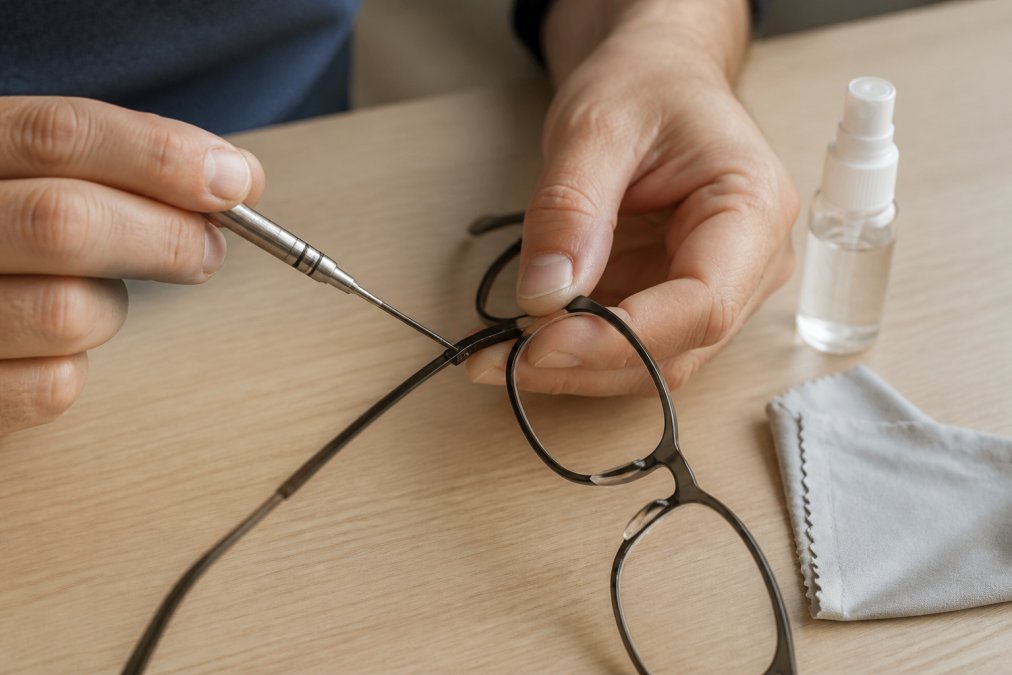
How to Tighten Glasses Frames at the Hinge
The hinge screw is the first place to check. When it loosens, the whole frame shifts and slides down your nose.
Try this:
- Hold the frame steady with one hand.
- Find the tiny screw on the outer hinge.
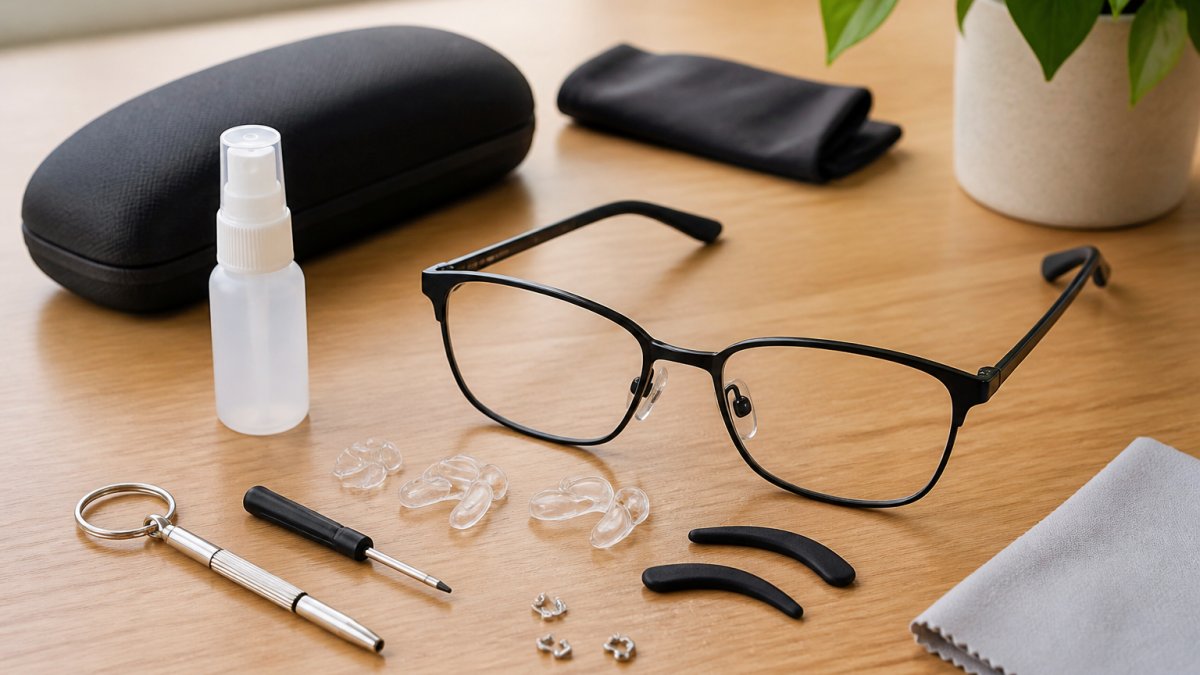
- Turn it clockwise with a small eyeglass screwdriver.
- Stop when you feel resistance. Don't force it.
- Check both sides. One loose screw tips the frame.
A common mistake is overtightening. That strips the screw head, and now you need a replacement.
If the screw keeps loosening, a tiny drop of clear nail polish on the threads adds grip. Let it dry before wearing the glasses.
Adjusting Temple Arms and Temple Tips
Temple arms control how your glasses sit behind your ears. If they're too straight, the frame slides forward all day.
Gently bend the temple tips downward so they curve behind your ear. Use slow, steady pressure. Acetate frames can be warmed to make them easier to shape. Metal frames bend cold but need a lighter touch.
The goal is a soft hook behind each ear. Not tight. Just enough to hold the frame in place.
Why Glasses Slip Behind Ears and How to Fix It
Glasses slipping behind ears happens when the frame loses contact with the sides of your head. Oil, sweat, and skin sebum build up on the temple tips and reduce friction. The frame then slides forward with every head movement.
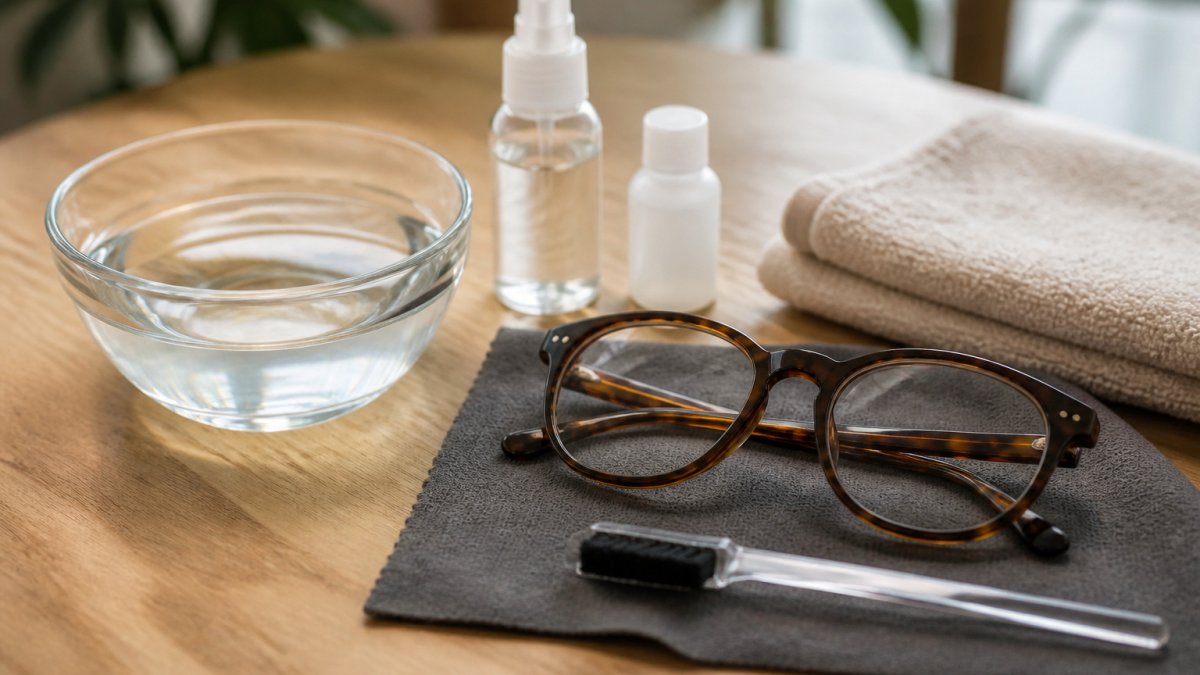
Two things solve this. First, clean the temple tips and behind your ears with mild soap and water. Oils return within a day, so this is a daily habit, not a one-time fix.
Second, add grip where it's missing. Options include:
- Silicone nose pads for the bridge
- Anti-slip wax or sprays on the temple tips
- Eyeglass retainers or cords for high-movement days
- Ear hooks that clip onto the temples
Each works for a different problem. Retainers suit sports and kids. Silicone pads help a slippery bridge. Wax and sprays add temporary tack to smooth surfaces.
Nose Pads and Bridge Fit Solutions
Your nose bridge carries most of the frame's weight. If the bridge width is too wide, the frame rocks side to side. If it's too narrow, the frame pinches and rides up.
Replacing worn-out nose pads is the cheapest fix. Old pads harden and lose grip. New silicone pads restore friction and comfort in minutes.
For plastic frames with molded bridges, stick-on silicone pads add grip without changing the frame. For metal frames, adjustable pad arms let you angle each pad to match your nose.
Check the fit: the pads should rest on the sides of your nose, not on top. Pads sitting on top push the frame upward and cause sliding.
Frame Material Matters: Acetate vs. Metal
Frame material decides two things: how much grip the frame can generate against your skin, and how much you (or an optician) can adjust it. Most guides treat materials as a style choice. For sliding, material is a fit constraint.
| Material | Grip Level | Adjustment Method | Adjustment Limits | Best For |
|---|---|---|---|---|
| Acetate | High, warms to skin and conforms | Heat and bend | Can be reshaped many times; cracks if bent cold | Daily wear, custom fit |
| Metal | Medium, firm but slick | Cold bend, adjustable pad arms | Fatigue cracks at the bridge after repeated bends | Durability, thin profiles |
| Titanium | Medium, light, low pressure | Limited bending; pad arm adjustment | Resists reshaping; relies on pad fit | Sensitive skin, light weight |
| TR-90 | High, flexible, grippy | Warm water bend | Memory material; returns to shape over time | Sports, kids |
Why Acetate Grips Better Than Metal
Acetate softens slightly at body temperature and molds to the shape of your nose and temples over the first few weeks of wear. That slow conforming is why a new acetate frame often feels more secure after a month. It also means acetate is the most forgiving material to adjust: a frame warmer or warm water lets you bend the temples and bridge, and the new shape holds once it cools.
The trade-off: acetate is heavier than metal or titanium, so it presses harder on the nose. If your bridge is low or flat, that extra weight accelerates sliding unless the pads are correctly angled. (Source: guidelines from the Occupational Safety and Health Administration (OSHA))
Why Metal Frames Slip Differently
Metal frames hold their shape and transfer less grip to skin. They also have adjustable pad arms, which is their biggest advantage, you can dial in pad angle and height in ways you cannot with a molded acetate bridge. The downside is metal fatigue: every bend at the bridge or hinge weakens the metal, and a few bad bends can crack it. That is why metal frames reward professional adjustment more than acetate does.
Titanium and TR-90: The Specialty Cases
Titanium is light, which reduces pressure on the nose and can actually reduce sliding for people with sensitive or narrow bridges. But titanium resists bending, so fit depends almost entirely on pad arm adjustment and frame size. If a titanium frame is the wrong bridge width, an optician has fewer tools to fix it.
TR-90 is a flexible plastic with memory. It bends under warm water and grips well, which is why it dominates sports and kids' frames.
Matching Material to Your Sliding Problem
- Frame slides down all day, no matter what: acetate or TR-90, which conform and grip.
- Frame slides and leaves red marks: titanium or TR-90, which spread pressure with less weight.
- Frame slides because pads never contact your nose: metal with adjustable pad arms, so you can angle pads to your bridge.
- Frame slides only during sports or sweat: TR-90 or a retainer, since grip matters more than shape retention.
If your frame slides no matter what you try, the material may be wrong for your face shape. That is a fit problem, not a frame problem, and it is worth discussing with an optician before you buy your next pair.
Face Shape and Bridge Fit Analysis
Face shape and bridge fit decide whether a frame stays put. Two people can wear the same frame and get opposite results, because their bridges sit at different heights and widths.
Professional Eyewear Adjustment Services: When to See an Optician
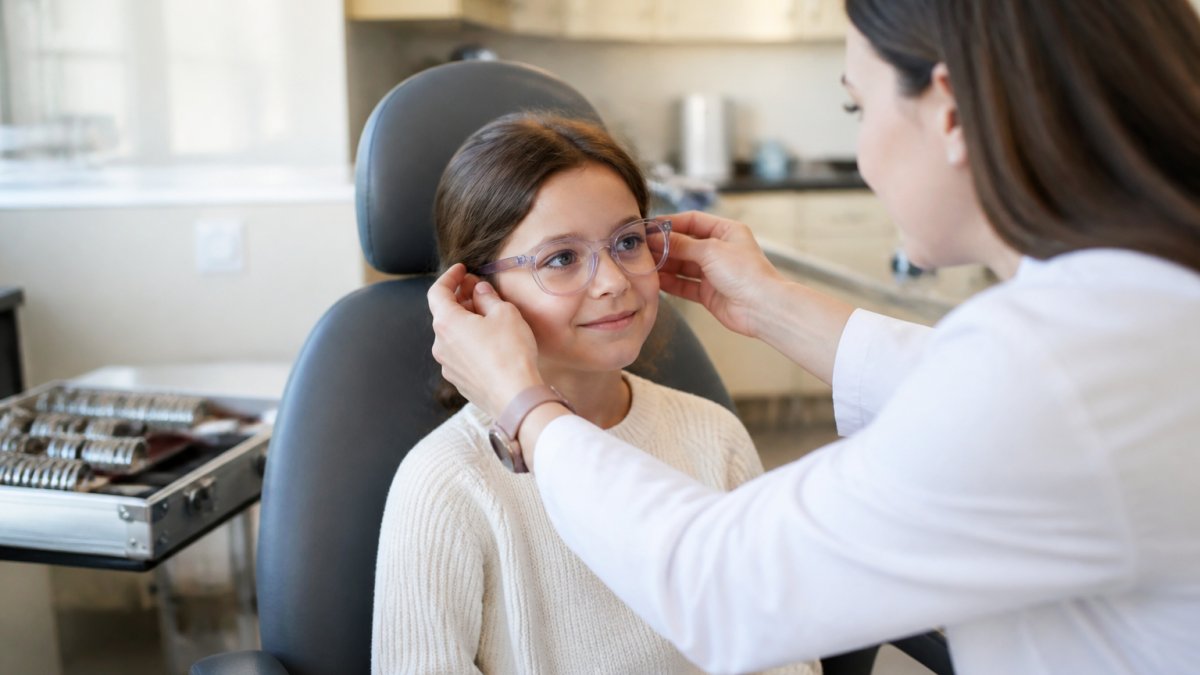
Professional eyewear adjustment services fix what you can't do at home. See an optician when the frame is warped, the screws are stripped, or your adjustments keep failing.
Signs it's time for a professional fitting:
- The frame sits crooked on your face
- One lens sits higher than the other
- Screws strip or fall out repeatedly
- The frame feels tight in one spot and loose in another
- You've bent the temples more than twice
Long-Term Skin Health and Comfort
Tight frames and constant sliding cause real skin problems over time. Pressure points behind the ears and on the nose lead to redness, indentations, and irritation. Oil buildup under silicone pads can trap bacteria and cause breakouts.
Frequently Asked Questions
Why do my glasses keep sliding down my nose?
Glasses slide for several reasons: loose hinge screws, worn nose pads, frames that don't match your bridge width, or oil buildup on the nose. Acetate frames can also stretch over time, while metal frames may bend out of shape. A professional optician can diagnose the exact cause and adjust the fit.
Can an optometrist adjust my glasses so they don't slip?
Yes, most optometrists and opticians offer professional eyewear adjustment services. They can tighten hinge screws, replace nose pads, and bend temple arms to conform to your head shape. If you're in the North Shore area, Corner Optical provides expert adjustments tailored to your frame and face.
Are there DIY hacks to stop glasses from sliding?
You can try tightening hinge screws with a small screwdriver, applying anti-slip wax or sprays to the nose pads, or using eyeglass retainers. Silicone nose pads can also add grip. For a lasting fix, though, a professional adjustment is best, especially if your frames are misaligned.
Do silicone nose pads actually help with slipping?
Silicone nose pads increase friction against your skin, which reduces sliding. They work well for metal frames with adjustable pads. However, if your bridge width is too wide or the frame is too loose, silicone pads alone won't solve the problem. Combining them with a proper adjustment gives the best results.
Slipping glasses are a fit problem, and fit problems have solutions. Whether you need a hinge tightened, a frame reshaped, or a custom pair built for a hard-to-fit face, the answer starts with an expert eye. Corner Optical offers comprehensive eye exams, expert fittings, and bespoke eyewear crafted in our in-house Optical Kitchen, so your frames match your face, your prescription, and your style. Schedule an appointment with Corner Optical and get glasses that finally stay where they belong.