 listicle
Which Ways Actually Slow Nearsightedness in Kids?
Last Updated: October 30, 2026
Quick Summary
The most effective approaches to slow nearsightedness in children combine professional monitoring with daily habits. Regular comprehensive eye exams with axial length tracking come first, followed by more outdoor time, and then clinical options such as low-dose atropine drops, myopia control contact lenses, or specialized myopia control glasses chosen with an eye care professional.
- Regular eye exams that track axial length help measure whether progression is slowing.
- Increasing daytime outdoor time is an easy habit that pairs well with clinical options.
- Low-dose atropine is a prescription treatment that needs clinician supervision and follow-up.
- Ortho-K and multifocal soft lenses need careful fitting, hygiene, and scheduled follow-up.
- Results vary by child, and no option guarantees a cure or stops progression entirely.
Table of Contents
- What Nearsightedness Is and Why Progression Matters in Children
- Signs of Childhood Myopia and How It Is Diagnosed
- 1. Increase Outdoor Time and Natural Light
- 2. Manage Near Work, Reading Distance and Screen Habits
- 3. Low-Dose Atropine for Myopia: Evidence, Risks and Suitability
- 4. Myopia Control Contact Lenses: Orthokeratology and Multifocal Options
- 5. Myopia Glasses for Children and Their Role in Management
- When to Start Myopia Control and Booking Your Child's Next Eye Exam
- Frequently Asked Questions
What Nearsightedness Is and Why Progression Matters in Children
Nearsightedness, or myopia, is a condition where distant objects look blurry while close objects stay clear, and parents often ask about slow nearsightedness as their child's prescription keeps changing. In children, it often gets worse over time as the eye grows longer from front to back, which is why a prescription that changes every year is a common concern for parents. Many families first notice that their child's glasses need updating again and again, and want to know whether anything can slow that process down.
Myopia is defined as a refractive error in which light focuses in front of the retina instead of on it, usually because the eyeball is too long. Progression refers to how quickly that prescription keeps increasing. Slowing progression matters because a higher degree of myopia is linked to a greater lifetime risk of eye conditions later on, so even modest slowing can be meaningful.
Here is where most articles on this topic lose the reader: they list treatments without explaining how to choose among them. The approaches below differ in evidence strength, cost, age suitability and side effects, and no single option fits every child. Treat this guide as a framework for a conversation with an eye care professional, not a substitute for one.
Signs of Childhood Myopia and How It Is Diagnosed
Children often do not complain about blurry vision. Common signs include squinting at the board, sitting close to the television, holding books near the face, rubbing the eyes, and frequent headaches after reading. A parent may also notice a child struggling to see sports or road signs at a distance.
Diagnosis requires a comprehensive eye exam with a qualified eye care professional. You can book your eye exam at Corner Optical in Glenview. The exam measures the prescription, checks eye health and, for children, often includes a cycloplegic refraction, which temporarily relaxes focusing so the true prescription can be measured. Tracking axial length, the front-to-back measurement of the eye, is one of the most useful ways to monitor progression over time. Regular exams let the provider compare results year to year and decide whether a myopia-control strategy makes sense. Learn more about comprehensive eye exams and early detection.
1. Increase Outdoor Time and Natural Light
Spending more time outdoors is one of the most frequently discussed habits for children's eye health and for slow nearsightedness, and it costs nothing to try.
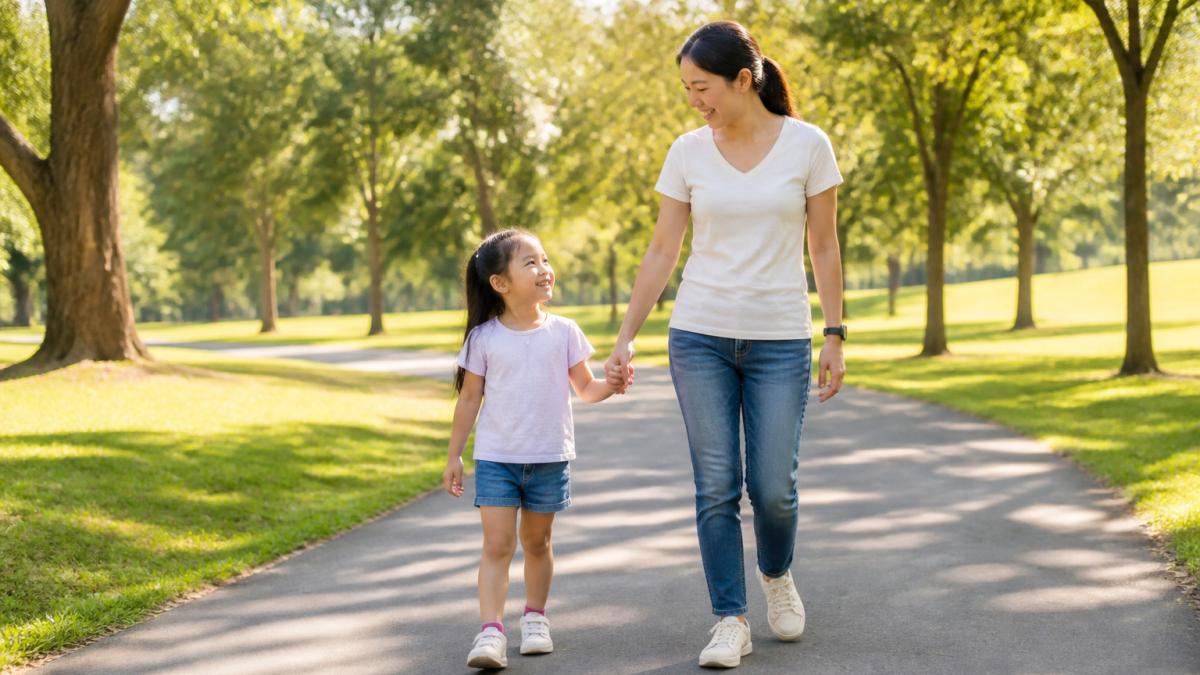
The practical approach is to build daytime outdoor play into the routine: recess, walks, bike rides, sports, or simply playing in the yard. Make it a default rather than an occasional treat. Outdoor time works best as a supplement to professional care, not a replacement, so keep scheduled eye exams even when a child is active outside.
Our take: this is the easiest habit to start this week, and it pairs well with any clinical option below.
2. Manage Near Work, Reading Distance and Screen Habits
Long periods of close work, including reading, homework, and screen use, are commonly associated with myopia development. Practical steps include keeping reading material at a comfortable distance, using good lighting, and taking regular breaks.
A simple routine many families use is the 20-20-20 idea: every 20 minutes, look at something about 20 feet away for at least 20 seconds. Limiting recreational screen time and taking breaks during homework can reduce long stretches of close focus. Keep in mind that the evidence here is mostly observational, so these habits are best seen as sensible supports rather than guaranteed fixes.
3. Low-Dose Atropine for Myopia: Evidence, Risks and Suitability
Low-dose atropine eye drops are one of the most studied medical options for slowing childhood myopia, and they are also one of the most misunderstood by parents. Low-dose atropine is one of the more widely studied medical options for slowing childhood myopia.
How it works. Atropine is an anticholinergic medication that temporarily relaxes the eye's focusing muscle (the ciliary muscle) and dilates the pupil.
Concentrations and dosing. The specific concentration and schedule are chosen by the prescribing clinician based on the child's age, prescription, progression rate, and tolerance, and are adjusted through follow-up measurements.
What the evidence does and does not show. Published studies of low-dose atropine report some slowing of eye growth and prescription change compared with placebo, though the size of the effect varies. Learn about myopia management options at Corner Optical for children and teens, starting with an exam.
Side effects and trade-offs. The most common side effects are light sensitivity (photophobia), mild blurring of near vision, and occasional eye irritation or redness. Less common concerns include allergic reactions and, rarely, systemic effects. Because the pupil is dilated, children may need sunglasses outdoors and may notice glare.
Suitability by age and situation. Whether atropine is appropriate depends on the child's situation, and it is used under the supervision of a qualified eye care professional with follow-up visits. (Source: the American Academy of Ophthalmology's guidelines)
Questions to ask before starting. Ask your eye care professional which concentration they recommend and why, how they will measure whether it is working, what side effects to watch for, how long they expect treatment to last, and what the plan is if progression continues. A good answer will include a monitoring schedule and a clear statement that results are not guaranteed.
The article compares the main features of the treatments it covers so parents can see the key trade-offs at a glance.
| Option | Key point | Watch for |
|---|---|---|
| Low-dose atropine | Prescription eye drops, studied for slowing myopia | Light sensitivity, mild near blur |
| Ortho-K lenses | Worn overnight, reshape cornea, clear daytime vision | Overnight hygiene, infection risk |
| Multifocal soft lenses | Daily disposable option lowers care burden | Discomfort, dry eye, rare infection |
| Myopia control glasses | Specialized lens designs with vision correction | Ask which design and what evidence |
4. Myopia Control Contact Lenses: Orthokeratology and Multifocal Options
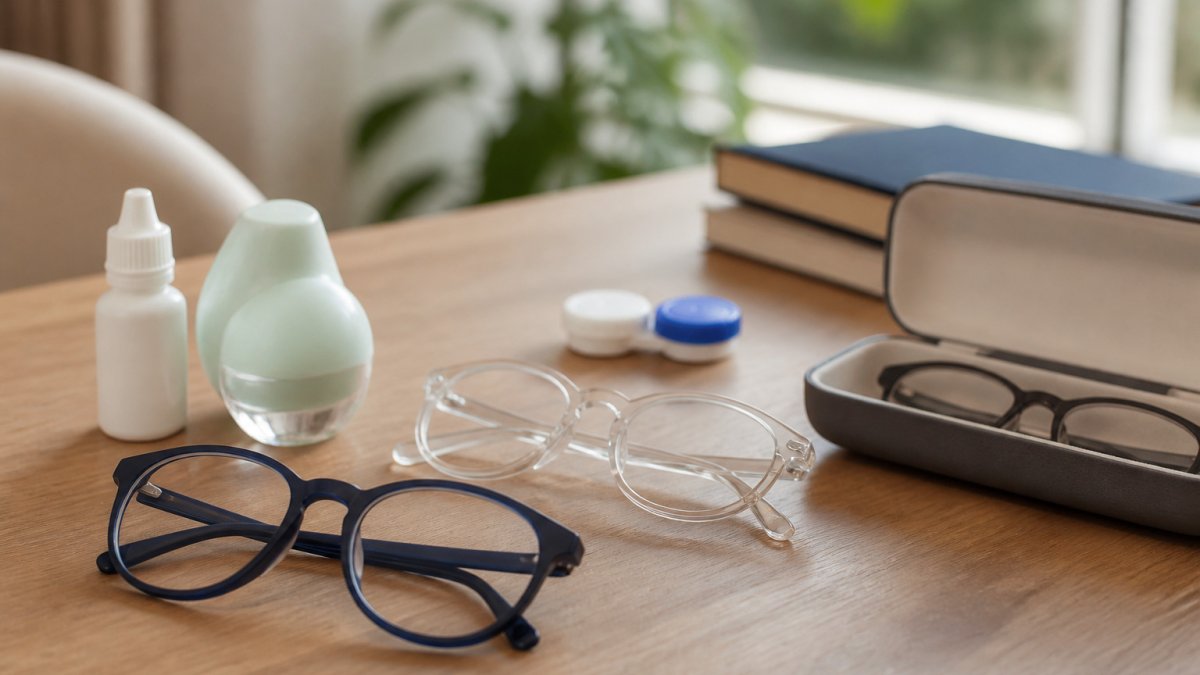
Contact lens approaches for myopia control involve careful attention to hygiene, follow-up, and realistic expectations. Two main categories are used in children: orthokeratology (Ortho-K) and multifocal soft contact lenses.
Orthokeratology (Ortho-K). Ortho-K uses specially designed rigid gas-permeable lenses worn overnight. While the child sleeps, the lenses gently reshape the front surface of the cornea, and the child removes them in the morning. The temporary reshaping provides clear vision during the day without glasses or daytime lenses, and the pattern of reshaping is thought to influence how light focuses on the peripheral retina, which is one proposed mechanism for slowing axial elongation.
- Fitting: Ortho-K requires a clinician-led fitting and follow-up visits.
- Hygiene: Because lenses are worn overnight, hygiene is critical. Families must follow cleaning, storage, and replacement schedules exactly.
- Risks: A key concern with overnight lens wear is the risk of eye infection, which is why careful hygiene and monitoring matter.
- Suitability: Ortho-K is often considered for children mature enough to handle lens care or whose parents can supervise it, and for those who are motivated to be free of daytime glasses.
Multifocal soft contact lenses. Multifocal soft lenses, including daily disposable designs, use different zones of power across the lens to influence how light focuses on the retina. Some are designed specifically for myopia control, and daily disposable options reduce the burden of lens care because a fresh lens is used each day.
- Fitting: These lenses also require professional fitting and follow-up to confirm centration and comfort.
- Hygiene: Daily disposables are the simplest hygiene option; reusable lenses require a consistent cleaning and storage routine.
- Risks: Risks include discomfort, dry eye, and, rarely, infection.
- Suitability: Multifocal soft lenses are often considered for children who are comfortable with lens insertion and removal and who can follow a daily routine.
What to expect from either option. The realistic expectation is a reduction in progression, not a cure, and results differ from child to child. Neither option replaces regular eye exams, and both require a clinician who is experienced in pediatric myopia control. Ask how the chosen lens has performed in children with a similar prescription, what the follow-up schedule looks like, and what signs of trouble should prompt an immediate call.
Cost and access considerations. Contact lens options typically involve fitting fees, lens costs, and follow-up visits that are often not fully covered by vision plans. Ask for an itemized estimate of first-year costs and ongoing replacement costs before committing, and confirm what the practice's policy is for lost or damaged lenses.
5. Myopia Glasses for Children and Their Role in Management
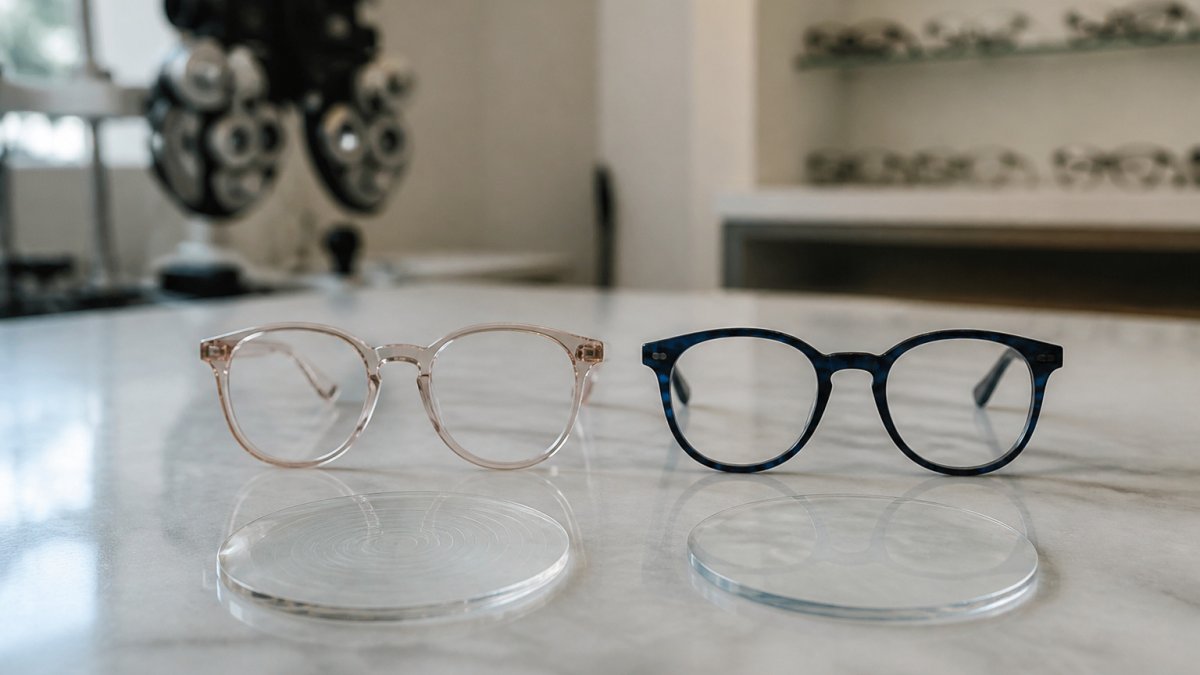
Some specialized spectacle lens designs are intended to slow myopia progression while providing vision correction. Your eye care professional can advise whether they suit your child.
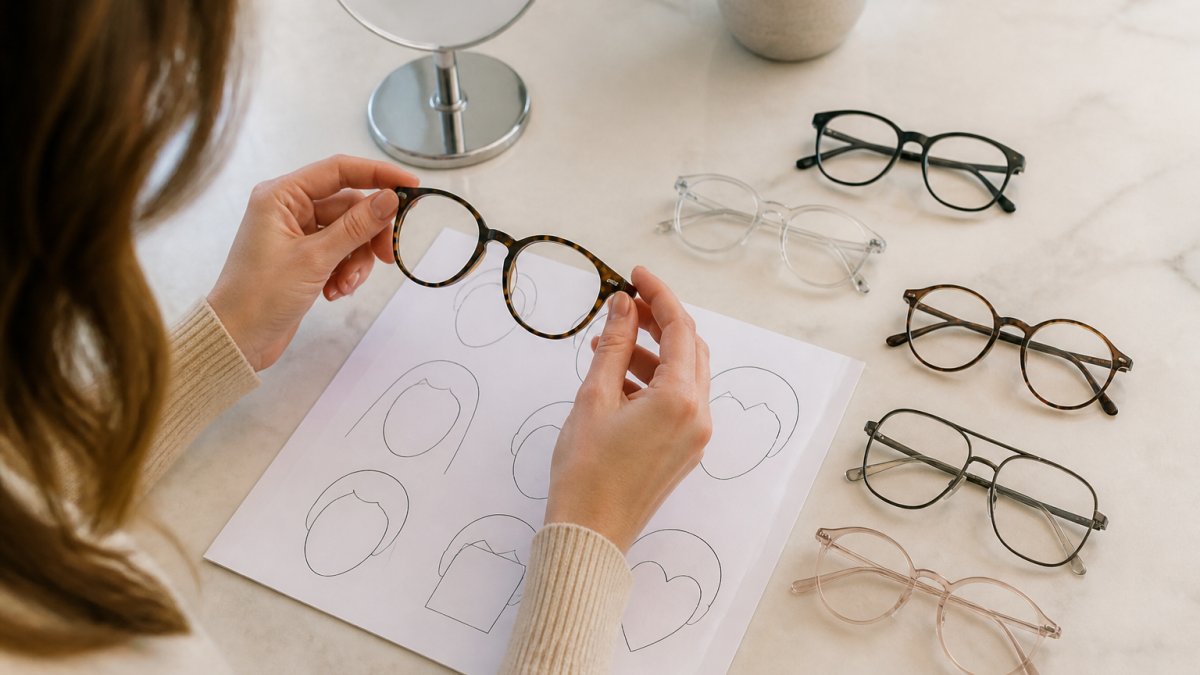
Glasses are the most familiar form of vision correction, so they are often the first thing families consider. Explore frame-making and eyewear options available locally. Spectacle lenses alone may offer less progression control than some other methods, so it helps to ask which design is being recommended and what evidence supports it. Fit and comfort also matter: well-fitted frames keep the lenses in the correct position, which affects how they perform.
When to Start Myopia Control and Booking Your Child's Next Eye Exam
Timing matters. Myopia progression is often fastest in younger children, so it is generally worth discussing options as soon as nearsightedness is diagnosed or a prescription begins changing noticeably from year to year. Waiting until a prescription has stabilized can mean missing the window when intervention is most useful, although the right moment depends on each child.
Start by scheduling a comprehensive eye exam so the current prescription and eye growth can be measured. Corner Optical in Glenview offers comprehensive eye exams for adults and children, and can discuss the options above in the context of your child's own results. Book a visit to get a baseline and a clear plan.
Frequently Asked Questions
Do myopia glasses work?
Standard glasses correct blurry distance vision but do not change how fast the eye grows, so they do not by themselves slow myopia progression. Some specialized spectacle lenses are designed to reduce progression, and an eye care professional can explain whether one is appropriate for your child. Ask about the expected effect, how it is measured, and how often your child's prescription will be rechecked.
When should a child start myopia control?
Myopia control is usually considered once a child's nearsightedness is being diagnosed and is still progressing, which is often during the school-age years when eye growth is most active. There is no single age that fits every child. Your eye doctor will weigh your child's age, current prescription, rate of change and family history when recommending whether to start and which option to use.
How often should a child with myopia have an eye exam?
Children with myopia generally need regular follow-up exams so their prescription and eye growth can be tracked over time. The schedule is set by your eye care professional and depends on how quickly the prescription is changing and which treatment is in use. If you notice sudden vision changes, eye pain or headaches, contact your provider promptly rather than waiting for the next scheduled visit.
Does spending time outdoors help slow myopia progression?
Time outdoors in natural light is a practical habit that many eye care professionals recommend as part of a myopia management plan, and it costs nothing to add to a daily routine. It works best alongside professional care rather than in place of it. Aim to make outdoor time a regular part of your child's week, and discuss with your eye doctor how it fits with any other treatment you are using.