 blog
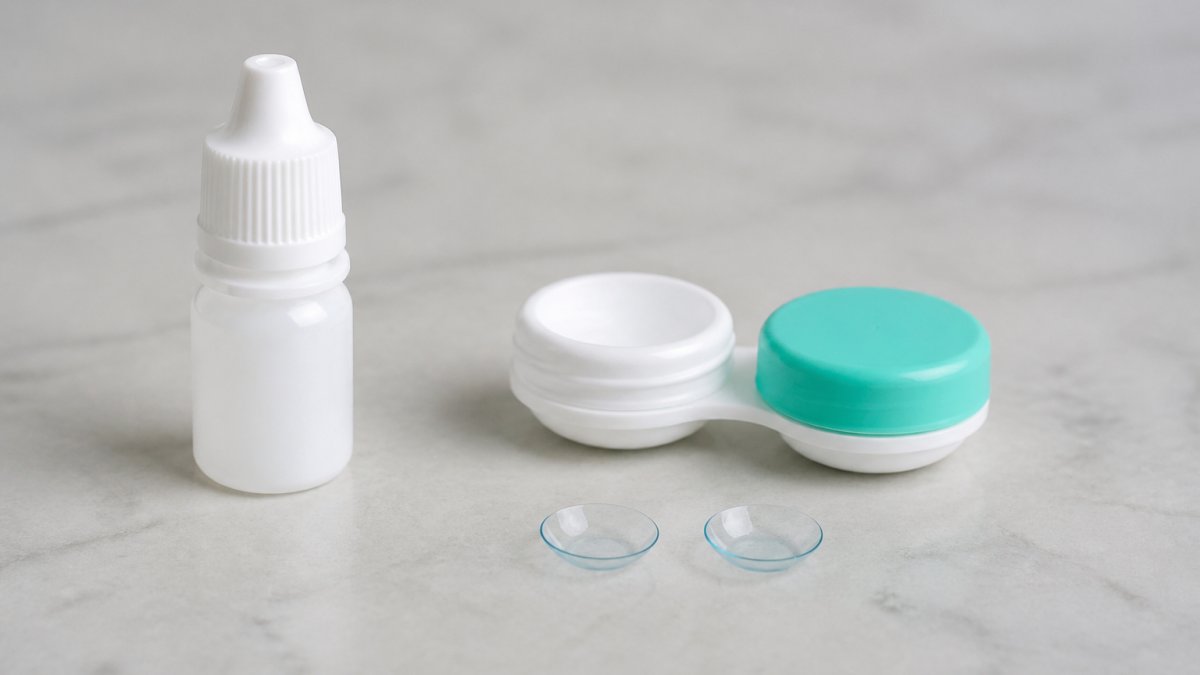
Atropine Drops vs Multifocal Contact Lenses
Table of Contents
- Understanding Myopia Progression and Treatment Options
- How Atropine Eye Drops Work for Myopia Control
- How Multifocal Contact Lenses Control Myopia
- Low-Dose Atropine Side Effects and Safety Considerations
- Combining Atropine Drops and Multifocal Lenses for Enhanced Results
- Direct Comparison: Effectiveness, Adherence, and Practical Considerations
- Choosing the Right Treatment for Your Child's Myopia
- Frequently Asked Questions
Last Updated: October 4, 2026
Understanding Myopia Progression and Treatment Options
Myopia (nearsightedness) is a refractive error where light focuses in front of the retina, blurring distant objects. In children, myopia progresses steadily as the eye lengthens and prescription strengthens, increasing the risk of serious conditions like retinal detachment and glaucoma.
Two major approaches slow myopia progression: atropine drops vs multifocal contact lenses. Both work through different mechanisms, and understanding how they compare is essential for families making treatment decisions.
How Atropine Eye Drops Work for Myopia Control
Low-dose atropine relaxes the eye's focusing muscles and reduces peripheral myopic defocus, interrupting signals that trigger axial elongation (eye growth) and slowing myopia progression.
Low-dose atropine (0.01%) reduces myopia progression by 50-60% compared to no treatment, with fewer side effects than higher concentrations, though individual responses vary.
Standard bedtime dosing, one drop per eye before sleep, minimizes daytime side effects while allowing overnight effectiveness throughout the treatment period.
Key advantages of atropine drops:
- Proven effectiveness at slowing axial length growth
- Simple daily administration (one drop per eye)
- Works regardless of compliance with wearing schedules
- No need for lens insertion or removal skills
- Can be used alongside glasses or contact lenses
Important considerations:
- Requires consistent nightly use to maintain effectiveness
- Some children experience light sensitivity or blurred near vision
- Pupil dilation can occur, especially with higher concentrations
- Regular monitoring is necessary to track effectiveness and adjust treatment
How Multifocal Contact Lenses Control Myopia
Multifocal soft contact lenses correct myopia while creating peripheral myopic defocus through multiple optical zones, a central zone for distance vision and outer zones with increased plus power that signal the eye to slow growth.
Multifocal lenses come in daily disposable, weekly, and monthly schedules. Effectiveness depends on consistent daily use (10+ hours), with daily disposables eliminating cleaning concerns.
Key advantages of multifocal contact lenses:
- Corrects myopia while controlling progression simultaneously
- No medication side effects
- Improves visual quality for many wearers compared to single-vision glasses
- Works during all waking hours
- No pupil dilation or light sensitivity
- Allows normal near vision without blur
Important considerations:
- Requires daily insertion and removal skills
- Hygiene and proper care are essential to prevent eye infections
- Some children find lens insertion challenging or uncomfortable initially
- Effectiveness depends on consistent wearing time
- May feel different from glasses initially
Low-Dose Atropine Side Effects and Safety Considerations
Common side effects of low-dose atropine are light sensitivity (from relaxed iris muscles) and blurred near vision (from relaxed ciliary muscles). Both are dose-dependent; 0.01% produces minimal effects.
Pupil dilation is usually mild with 0.01% atropine but more noticeable with higher doses.
Safety monitoring during atropine treatment:
- Regular eye exams to track myopia progression and axial length
- Assessment of near vision and any functional limitations
- Monitoring for signs of allergy or irritation
- Checking that the treatment is actually slowing progression (some children respond better than others)
- Discussion of any lifestyle impacts or concerns
Long-term safety data supports low-dose atropine use in children; side effects are mild and reversible upon discontinuation.
Combining Atropine Drops and Multifocal Lenses for Enhanced Results
Some children benefit from combining atropine drops and multifocal contact lenses, targeting myopia progression through both pharmaceutical and optical mechanisms simultaneously.
Clinical evidence suggests children using both treatments show additional slowing of axial elongation compared to either treatment alone (pubmed.ncbi.nlm.nih.gov).
Combination treatment increases complexity and cost, requiring consistent daily habits and parental oversight.
When combination treatment makes sense:
- Rapid myopia progression despite single-treatment use
- High myopia already present with significant future risk
- Family preference for maximizing control efforts
- Child demonstrates good compliance with both treatment types
- Regular monitoring shows that single treatment isn't slowing progression adequately
Practical implementation:
- Multifocal lenses worn during waking hours
- Atropine drops applied at bedtime after lens removal
- Consistent daily routine for both treatments
- Regular follow-up exams to assess combined effectiveness
- Willingness to adjust or stop either treatment if side effects become problematic
Direct Comparison: Effectiveness, Adherence, and Practical Considerations
Atropine and multifocal lenses work through different mechanisms, are studied in different populations, and are rarely compared head-to-head. Apparent effectiveness differences may reflect study design rather than true clinical superiority.
Understanding the Evidence
Low-dose atropine studies report 50-60% progression reduction compared to untreated controls, primarily from large multicenter Asian trials measuring outcomes over 1-2 years.
Multifocal lens studies report 40-50% progression reduction, but typically enroll older children, use varying lens designs and schedules, and often compare to single-vision correction rather than untreated controls (pubmed.ncbi.nlm.nih.gov).
Atropine and multifocal lenses have rarely been studied head-to-head; the 50-60% versus 40-50% comparison reflects separate research in different settings. Individual response varies substantially in both groups.
Effectiveness in Practice
Both treatments slow axial elongation through different mechanisms, atropine pharmacologically, multifocal lenses optically, suggesting peripheral defocus control is a genuine therapeutic target.
Response varies widely; factors influencing it include baseline myopia severity, age at initiation, genetic predisposition, and environmental factors. Neither treatment stops progression entirely; both slow it.
Adherence and Consistency
Atropine requires nightly instillation with minimal burden; adherence rates are generally high because parents can supervise and consistency is easy to maintain.
Multifocal lenses require daily insertion, removal, and care (for non-disposables), creating multiple adherence failure points. Adherence is more variable than atropine, especially in younger children or those with fine-motor challenges.
Side Effects and Tolerability
Atropine's common side effects (light sensitivity, blurred near vision) are mild at 0.01%, often improving within weeks. Pupil dilation is subtle; allergic reactions are rare. Side effects reverse upon discontinuation.
Multifocal lenses produce no pharmacological side effects but may cause discomfort, dryness, or infection risk if hygiene is poor. Most children adapt within days to weeks.
Convenience and Lifestyle Fit
Atropine is a single nightly dose with minimal disruption and continuous effectiveness during sports and outdoor activities. Light sensitivity may require sunglasses.
Multifocal lenses require daily insertion and removal (5-10 minutes) and can be lost or damaged in sports. However, they provide excellent daytime visual quality without separate glasses.
Cost and Insurance Coverage
Atropine costs vary; insurance coverage varies.
Multifocal lenses costs vary; many insurance plans cover them, though out-of-pocket costs can be substantial.
Visual Quality and Functional Outcomes
Multifocal lenses provide excellent distance and near vision throughout the day, with many children reporting sharper vision than with glasses.
Atropine requires separate correction for myopia. Blurred near vision can affect reading and schoolwork but typically improves with time or lower doses.
Summary of Key Trade-Offs
| Factor | Atropine Drops | Multifocal Contact Lenses |
|---|---|---|
| Evidence base | Large RCTs, primarily Asian populations, 1-2 year follow-up | Smaller studies, mixed populations, varying follow-up periods |
| Progression reduction | 50-60% (separate studies) | 40-50% (separate studies) |
| Head-to-head comparison | Not directly compared to multifocal lenses in same trial | Not directly compared to atropine in same trial |
| Daily burden | One drop at night | Insert/remove daily, plus care (if not daily disposable) |
| Light sensitivity | Possible, usually mild | None |
| Blurred near vision | Possible, usually mild | Minimal |
| Lens insertion skill | Not required | Moderate skill required |
| Infection risk | Minimal | Present if hygiene is poor |
| Monthly cost | $30-$60 (atropine only) | $50-$150+ (lenses only) |
| Visual quality during day | Depends on glasses/contacts worn for correction | Excellent (lenses correct myopia) |
| Adherence variability | Low (simple regimen) | Higher (multiple daily steps) |
When comparing atropine drops vs multifocal contact lenses, the choice is not determined by which has a higher percentage reduction in a table. It depends on which mechanism your child will use consistently, which side effects your family can tolerate, and which fits your lifestyle and budget.
Choosing the Right Treatment for Your Child's Myopia
Selecting between atropine drops and multifocal contact lenses is not a one-size-fits-all decision.
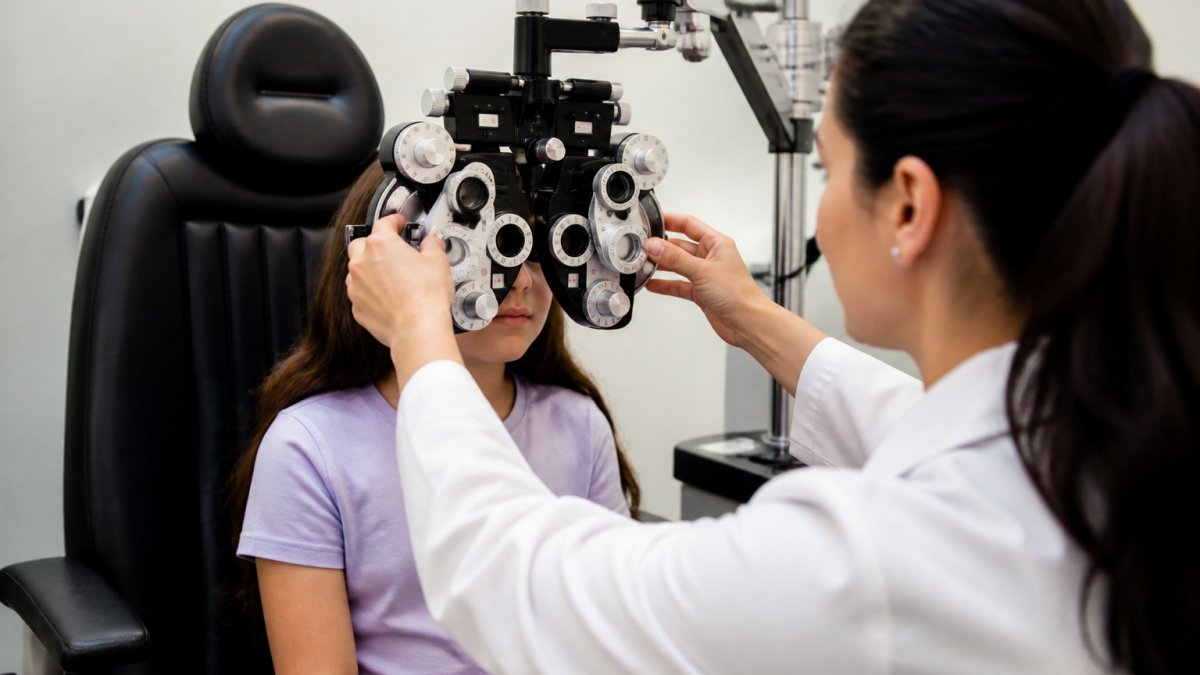
Step 1: Establish Baseline Measurements
Step 2: Assess Your Child's Age and Developmental Stage
Age is a practical determinant of which treatment is feasible.
Ages 6-8: Most children lack fine-motor coordination for reliable lens insertion. Atropine is more practical; parents can instill drops at bedtime.
Ages 9-11: Some children develop adequate dexterity by age 9-10; others are not ready until 12.
Ages 12+: Most adolescents can manage multifocal lenses if motivated; either treatment is feasible.
Step 3: Evaluate Myopia Severity and Progression Rate
Myopia severity and speed of progression influence urgency and treatment intensity.
Mild myopia with slow progression: Either treatment is reasonable. Monitor every 6-12 months; switch or add treatment if progression continues.
Moderate myopia with moderate progression: Both treatments are appropriate.
High myopia or rapid progression: Combination therapy (atropine + multifocal lenses) is often recommended to maximize control.
Step 4: Assess Fine-Motor Skills and Dexterity
Multifocal lenses require reliable insertion and removal. Before committing to lenses, honestly assess your child's fine-motor abilities.
Good dexterity: Lens insertion is likely feasible. Consider a trial period with a lens-fitting specialist.
Developing dexterity: Start with daily disposables to reduce complexity. Expect a 2-4 week learning curve; switch to atropine if frustration persists.
Poor dexterity: Atropine is the better choice; lens insertion is unlikely to become reliable.
Step 5: Consider Lifestyle and Environmental Factors
Sports and water activities: Atropine is more practical; lenses can be lost or damaged. Daily disposables minimize loss impact but cost more.
Outdoor time: Atropine may cause bothersome light sensitivity; multifocal lenses avoid this.
School and near work: Heavy readers may find atropine's blurred near vision bothersome; multifocal lenses provide clear near vision.
Travel: Atropine is easier for unpredictable routines; stable routines support multifocal lens care.
Step 6: Discuss Compliance Realistically
The best treatment is the one your child will actually use.
Atropine compliance: Assess whether your family will remember nightly drops. Chaotic routines may reduce reliability; consistent bedtime routines support adherence.
Multifocal lens compliance: Assess whether your child will insert and remove lenses daily.
Step 7: Trial Periods and Monitoring
Treatment selection is not permanent. Consider starting with one approach and monitoring results over 6-12 months.
If starting atropine: Use 0.01% concentration. Expect light sensitivity and blurred near vision in the first 2-4 weeks (often improving).
If starting multifocal lenses: Expect a 2-4 week adjustment period. Ensure proper fitting and insertion training. Schedule a 6-month follow-up.
If starting combination therapy: Multifocal lenses during waking hours; atropine at bedtime after lens removal. Requires reliable daily compliance. Follow-up exams every 6 months.
Step 8: Cost and Insurance Considerations
Check insurance coverage before committing. Atropine coverage varies. Many plans cover multifocal lenses. Confirm coverage for monitoring exams.
Step 9: Discuss Expectations and Long-Term Commitment
Myopia control requires several years of treatment during childhood and early adolescence.
A Practical Decision Framework
Use this simplified framework to narrow your choice:
- Age < 9 and/or poor fine-motor skills? → Start with atropine.
- Age ≥ 10, good dexterity, and motivated? → Consider multifocal lenses.
- Rapid progression or high myopia? → Consider combination therapy (atropine + multifocal lenses).
- Uncertain about compliance? → Choose atropine (simpler regimen).
- Bothersome light sensitivity or near-vision demands? → Choose multifocal lenses.
- Cost is a barrier? → Choose atropine (typically less expensive).
After selecting a treatment, commit to 6-12 months of consistent use with regular monitoring.
Frequently Asked Questions
How do atropine drops and multifocal contact lenses compare for myopia control?
Atropine eye drops slow myopia progression by relaxing the ciliary muscle and reducing peripheral myopic defocus. Multifocal contact lenses work by creating peripheral myopic defocus zones directly on the eye. Atropine typically requires daily bedtime dosing and carries side effects like light sensitivity and pupil dilation, while multifocal lenses demand consistent wear and proper hygiene. Both are effective, and the best choice depends on individual needs.
What are the potential side effects of using low-dose atropine eye drops for myopia?
Low-dose atropine side effects include light sensitivity, pupil dilation, blurred near vision, and occasional eye irritation. Most side effects are mild and diminish over time as the eye adjusts. Some children experience difficulty reading or close-up activities, particularly with higher concentrations. Serious adverse effects are rare, but any new symptoms should be reported to your eye care professional during follow-up visits. Your optometrist can adjust concentration or dosing if side effects interfere with daily activities.
Are multifocal contact lenses effective for slowing myopia progression in children?
Yes, multifocal contact lenses are effective for myopia control in children. They slow axial length growth and refractive error progression by creating peripheral myopic defocus, which signals the eye to reduce elongation. Effectiveness depends on consistent daily wear, proper lens fit, and good hygiene practices. Results vary by child, so regular eye examinations are essential to monitor treatment response and adjust the prescription as needed.
Can children use both atropine drops and multifocal contact lenses together?
Yes, combination treatment using both atropine eye drops and multifocal contact lenses is an option for myopia control. This approach combines the mechanisms of both treatments, potentially offering enhanced myopia management. However, combination therapy requires careful monitoring, as the interaction between treatments and cumulative effects on near vision need assessment. This strategy is typically considered when a single treatment shows insufficient results or when your eye care professional determines it's appropriate for your child's specific case. Discuss combination treatment options during a comprehensive eye examination.