 blog
Food Supplements for Eye Health: What Actually Works
Table of Contents
- Why Food Supplements Matter for Eye Health
- Essential Nutrients That Support Vision
- Omega-3 Fatty Acids for Dry Eyes and Retinal Health
- AREDS2 Formula Benefits and Clinical Evidence
- How to Choose an Eye Supplement That Works for You
- Food Sources vs. Supplements: Which Is Right for You
- Preventing Chronic Eye Diseases Through Nutrition
- Frequently Asked Questions
Last Updated: October 2, 2026
Why Food Supplements Matter for Eye Health
Your eyes face constant demands from screens, reading, and aging. The question is whether you're giving them the right nutritional support through food supplements eye health.
Food supplements for eye health address a real gap, diet alone often doesn't deliver the concentrated nutrients your retina, macula, and lens need.
Chronic eye diseases develop silently; by the time symptoms appear, significant damage has occurred. Research shows certain nutrients, taken consistently, reduce your risk.
Below, we'll break down which supplements actually work, how to choose one that fits your specific needs, and when food sources alone are enough.
Essential Nutrients That Support Vision
Your eyes depend on critical micronutrients, the building blocks your retina uses to process light and defend against oxidative stress.
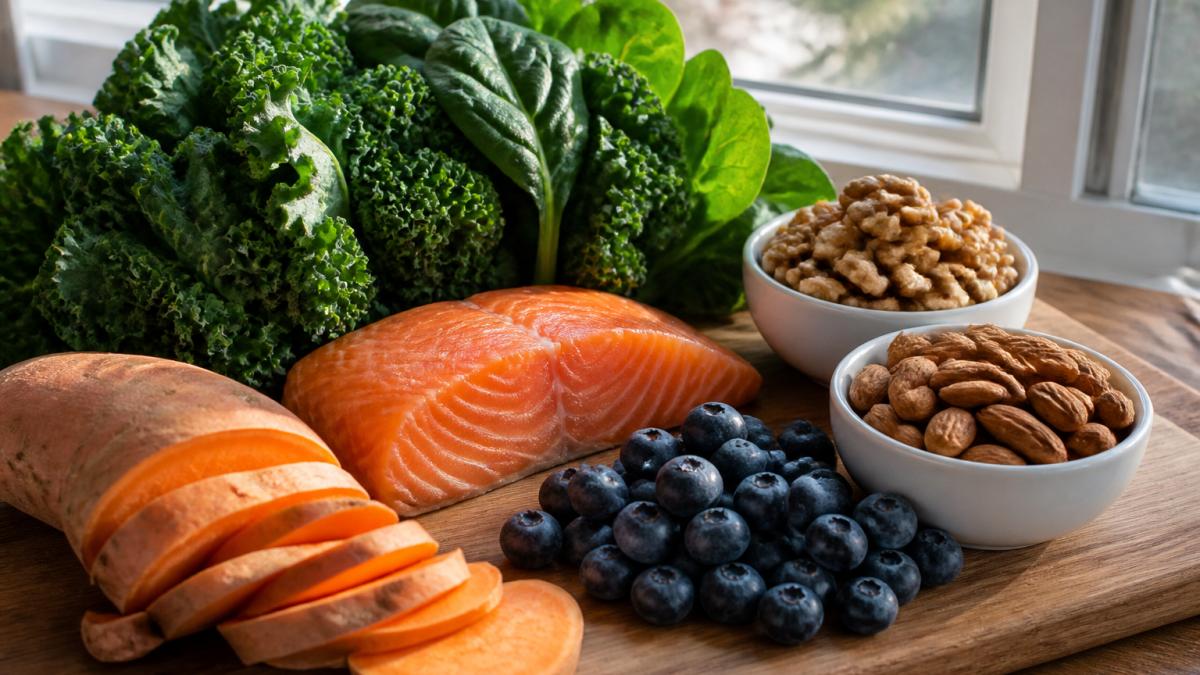
The most effective nutrients fall into three categories: carotenoids (lutein and zeaxanthin), fat-soluble vitamins (C and E), and minerals (zinc), each protecting photoreceptor cells and slowing age-related decline.
Lutein and Zeaxanthin: Protecting the Macula
Lutein and zeaxanthin accumulate in the macula, filtering blue light and neutralizing free radicals before they damage retinal tissue.
These nutrients work together as a protective layer. Higher macular pigment density significantly reduces age-related macular degeneration risk in a dose-dependent manner.
Most people get insufficient amounts from diet, roughly 2 mg daily versus the 10-20 mg used in clinical studies to show measurable improvements.
Vitamins C and E: Antioxidant Defense
Vitamins C and E neutralize oxidative stress in eye tissue. Your retina is particularly vulnerable due to its high metabolic rate and constant light exposure.
Vitamin C supports collagen formation in the cornea and lens; Vitamin E protects cell membranes. Together, they slow cataract progression and support retinal function.
The combination matters more than either nutrient alone, antioxidant pairs show better outcomes than single-nutrient supplementation.
Zinc and Its Role in Visual Function
Zinc is essential for rhodopsin, enabling low-light adaptation, and supports immune function in the eye, reducing inflammation.
Zinc deficiency impairs night vision and accelerates age-related decline. Most people over 50 consume suboptimal amounts; supplementation restores visual acuity and supports retinal health.
Omega-3 Fatty Acids for Dry Eyes and Retinal Health
Omega-3 fatty acids (DHA and EPA) are structural components of the retina. DHA comprises roughly 50% of the photoreceptor outer segment that captures light.
For dry eye, omega-3s reduce inflammation in the meibomian glands that produce the lipid layer of tears, addressing the root cause rather than just symptoms.
Most people need 1,000-2,000 mg daily of combined DHA and EPA to see meaningful improvements in dry eye symptoms and retinal support.
AREDS2 Formula Benefits and Clinical Evidence
The Age-Related Eye Disease Study 2 (AREDS2) identified the most effective nutrient combination for slowing macular degeneration: lutein (10 mg), zeaxanthin (2 mg), zinc (25-80 mg), vitamins C and E, and copper.
This specific combination showed measurable slowing of disease progression, with patients having lower risk of advancing to advanced macular degeneration compared to placebo.
Many supplements follow the AREDS2 framework. When choosing a supplement, look for one that mirrors this evidence-based combination, the current gold standard for age-related eye disease support.
How to Choose an Eye Supplement That Works for You
Not all eye supplements are created equal. Beyond identifying your specific need, you must understand how your body absorbs and uses these nutrients, this is where most people go wrong.
Matching the Supplement to Your Specific Eye Health Goal
Identify your primary concern: preventing age-related macular degeneration, managing dry eye, supporting cataracts, or addressing digital eye strain. Different formulations prioritize different nutrients based on your individual risk profile.
For dry eye syndrome: Prioritize omega-3 fatty acids (DHA and EPA combined, 1,000-2,000 mg daily).
For digital eye strain and blue light exposure: Look for lutein and zeaxanthin, which filter blue light before it reaches the retina.
Bioavailability and Absorption: The Hidden Factor That Determines Effectiveness
Bioavailability, the percentage of a nutrient your body absorbs and uses, determines effectiveness.
Optimal timing: Take fat-soluble supplements with breakfast or lunch alongside eggs, avocado, nuts, or full-fat yogurt.
Lutein from marigold flower extract has higher bioavailability than synthetic lutein.
Copper and zinc compete for absorption. AREDS2 formulas balance this ratio.
Omega-3 absorption improves with food. DHA and EPA absorb better when taken with meals containing fat.
Reading Labels for Quality and Bioavailability Clues
When comparing supplements, look for these markers of quality and bioavailability:
-
Third-party testing: Labels from NSF International, USP (United States Pharmacopeia), or ConsumerLab indicate the supplement was tested for purity and accurate labeling. This doesn't guarantee efficacy, but it confirms you're getting what the label says.
-
Specific nutrient forms: A label that lists "lutein (from marigold extract)" or "zinc (as zinc picolinate)" shows the manufacturer is transparent about bioavailability. Generic labels that just say "zinc" or "lutein" without specifying the form are a red flag.
-
Dose ranges that match clinical evidence: If a formula contains lutein at 10 mg and zeaxanthin at 2 mg, it mirrors AREDS2. If it contains 50 mg of lutein, that's not necessarily better, it's beyond what clinical trials tested, and excess lutein is simply excreted.
-
Inclusion of copper with zinc: If your formula contains 25-80 mg of zinc, it should also include 1-2 mg of copper to prevent copper depletion over time.
Supplement Interactions and Contraindications
Certain nutrients interact with medications or other supplements. Zinc can interfere with some antibiotics if taken simultaneously. High-dose vitamin E may thin blood and interact with anticoagulants. If you take prescription medications or other supplements, discuss any new eye health supplement with your optometrist before starting. Your eye care provider can review your current regimen and identify potential interactions, ensuring your supplement supports rather than complicates your overall health.
Some populations should avoid certain nutrients. People with a history of kidney stones should limit excess vitamin C. Those with copper deficiency should be cautious with high-dose zinc, which can reduce copper absorption. Pregnant or breastfeeding women should discuss supplement use with their obstetrician, as dosing guidelines may differ from standard recommendations.
Food Sources vs. Supplements: Which Is Right for You
Whole foods contain nutrients in their most bioavailable forms, plus thousands of phytonutrients that supplements can't replicate.
But here's the reality: most people don't eat enough of these foods consistently.
Supplements fill the gap. They deliver consistent, measurable doses of specific nutrients without requiring dramatic dietary changes.
For dry eye or early-stage age-related changes, food sources plus a well-chosen supplement often suffice.
Preventing Chronic Eye Diseases Through Nutrition
Chronic eye diseases like macular degeneration, cataracts, and glaucoma develop over years or decades.
Starting supplementation early, even in your 40s or 50s, provides years of protective benefit.
Professional eye exams every 1-2 years catch early changes before they progress.
The difference between vision that holds steady and vision that declines often comes down to consistency.
Corner Optical specializes in comprehensive eye disease management and advanced diagnostics.
| Nutrient | Primary Role | Food Sources | Typical Supplement Dose |
|---|---|---|---|
| Lutein | Macular protection | Spinach, kale, broccoli | 10 mg daily |
| Zeaxanthin | Blue light filtering | Corn, orange peppers | 2 mg daily |
| Vitamin C | Antioxidant defense | Citrus, berries | 500 mg daily |
| Vitamin E | Cell protection | Nuts, seeds, oils | 400 IU daily |
| Zinc | Rhodopsin function | Oysters, beef, legumes | 25-80 mg daily |
| DHA/EPA | Retinal structure | Fatty fish, algae | 1,000-2,000 mg daily |
Frequently Asked Questions
What is the best food supplement for eye health?
The best supplement depends on your specific eye health needs. The AREDS2 formula is clinically proven to slow age-related macular degeneration progression in people with intermediate to advanced disease. For general eye health, lutein and zeaxanthin support macular pigment density, while omega-3 fatty acids address dry eye symptoms. A qualified eye care professional can assess your individual risk factors and recommend the supplement most appropriate for your vision needs and medical history.
Do eye vitamins actually improve vision?
Eye supplements don't restore lost vision, but they can slow disease progression and support visual function. The AREDS2 study showed that specific nutrient combinations reduced the risk of advanced age-related macular degeneration by about 25% in people with intermediate disease. Omega-3 fatty acids improve tear film stability in dry eye. For prevention in healthy eyes, supplements help maintain antioxidant defenses against oxidative stress. Results vary by individual and depend on baseline nutrient status.
What are the risks of taking high-dose eye supplements?
High-dose supplements carry specific risks. Excess zinc can interfere with copper absorption and cause nausea. Beta-carotene supplements increase lung cancer risk in smokers. Fat-soluble vitamins (A, D, E, K) accumulate in body tissue and can reach toxic levels. Omega-3 supplements may increase bleeding risk if combined with blood thinners. Always inform your eye care provider and primary doctor about all supplements you take, especially if you have existing conditions or take medications. Start with recommended dosages and have your nutrient levels monitored.
Can food sources provide enough nutrients for eye health?
Food sources are excellent for baseline eye health nutrition. Leafy greens provide lutein and zeaxanthin, fatty fish supplies omega-3 fatty acids, and nuts offer vitamin E and zinc. However, reaching therapeutic levels of lutein (10 mg daily) or zeaxanthin requires consistent high intake. People with diagnosed macular degeneration or severe dry eye often benefit from supplements to achieve levels shown in clinical research. A professional can assess your dietary intake and recommend supplementation if needed.