 comparison
Orthokeratology vs. Soft Contact Lenses for Kids
Table of Contents
- How Orthokeratology and Soft Contact Lenses Work
- Myopia Control Contact Lenses for Kids: Which Approach Slows Progression
- Ortho-K vs. Soft Multifocal Contact Lenses: Head-to-Head Comparison
- Ortho-K Lens Care for Children: Daily Handling and Safety
- MiSight Lenses for Children: A Soft-Lens Myopia Control Option
- Making the Right Choice: A Parent's Decision Framework
- Frequently Asked Questions
Last Updated: October 19, 2026
How Orthokeratology and Soft Contact Lenses Work
Orthokeratology vs soft contact lenses represents two distinct approaches to vision correction for children. Understanding how each works is essential before deciding which fits your family's lifestyle and your child's needs.
What Orthokeratology (Ortho-K) Is
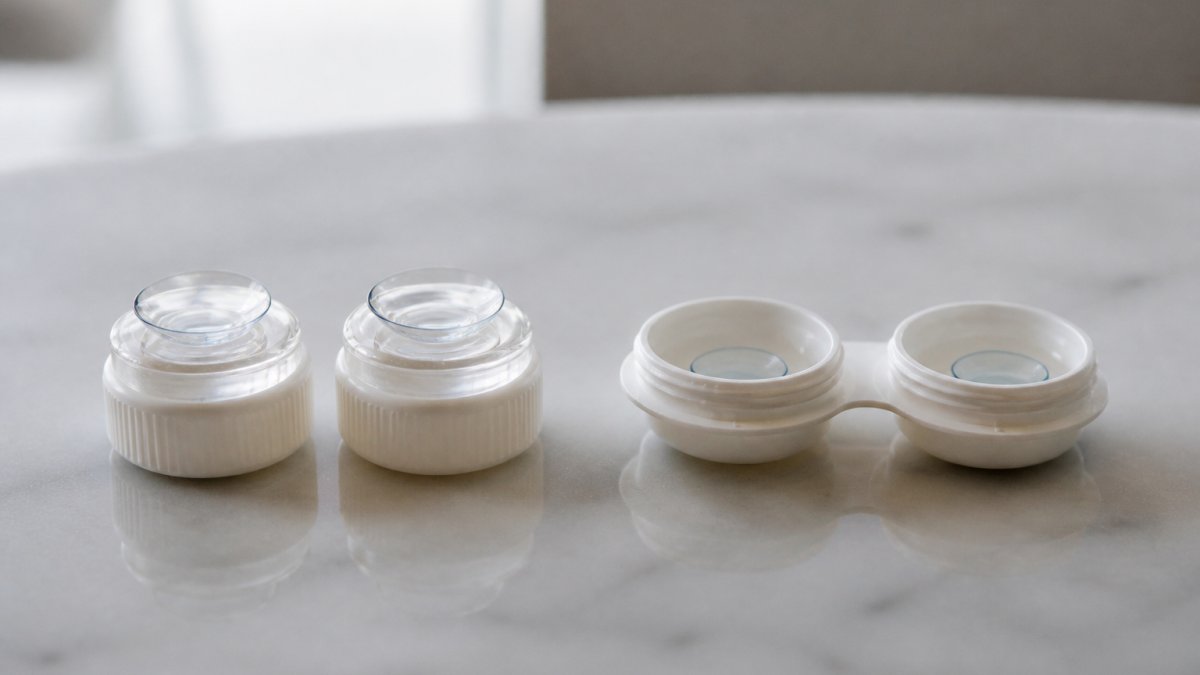
Orthokeratology, or Ortho-K, uses custom-fitted rigid gas-permeable lenses worn overnight to gently reshape the cornea while your child sleeps. By morning, the lenses are removed and the corneal changes hold throughout the day, providing clear daytime vision without any eyewear.
At Corner Optical, we fit these lenses with precision because corneal mapping and lens design must be exact, and we monitor the cornea through follow-up visits.
The lenses demand nightly care: insertion before bed, removal in the morning, and daily cleaning. This routine becomes second nature for most families, though it requires discipline from parent and child.
How Soft Contact Lenses Correct Vision
Soft contact lenses sit on the cornea and bend light rays to focus them on the retina. Traditional soft lenses correct vision only while worn, with no myopia control.
Soft lenses are worn during the day and removed at night. For children comfortable with daytime wear, they offer simplicity: insert in the morning, remove at night, clean and store.
The adaptation period for soft lenses is typically shorter than for rigid Ortho-K lenses. Children often adjust within a few days to a week, whereas Ortho-K may take 1-2 weeks as the eye adapts to the rigid material and the nightly insertion-removal routine.
Myopia Control Contact Lenses for Kids: Which Approach Slows Progression
Not all contact lenses slow myopia progression; many only correct the current prescription.
Myopia progression typically accelerates during school years, with prescriptions shifting stronger yearly. Slowing it reduces the likelihood of high myopia later in life, which carries increased risk for retinal detachment and glaucoma.
Ortho-K lenses flatten the central cornea, altering how light focuses across the eye surface in a way research suggests slows myopia progression.
The choice between Ortho-K and soft multifocal lenses for myopia control depends on your child's prescription strength, lifestyle, and willingness to commit to either an overnight lens routine or daytime soft lens wear.
Ortho-K vs. Soft Multifocal Contact Lenses: Head-to-Head Comparison
| Factor | Ortho-K | Soft Multifocal Lenses |
|---|---|---|
| Wear Schedule | Overnight only | Daytime only |
| Daytime Vision | Glasses-free, no lenses needed | Requires lens insertion each morning |
| Myopia Control Effectiveness | Documented slowing of progression | Slowing documented for certain designs like MiSight |
| Upfront Fitting Cost | Higher (custom mapping required) | Lower (standard fitting) |
| Ongoing Lens Cost | Lower (fewer lenses needed annually) | Higher (daily disposables or frequent replacement) |
| Adaptation Time | 1-2 weeks | 3-7 days |
| Lens Care Complexity | More involved (nightly routine) | Simpler for daily disposables; moderate for reusables |
| Best For | Active kids, sports enthusiasts, those who prefer no daytime lenses | Kids comfortable with daytime wear, those seeking simpler daily routine |
Daytime Vision and Convenience
Ortho-K delivers convenience during waking hours: your child wakes with clear vision and needs no lenses, glasses, or solutions all day. This is transformative for children in sports, swimming, or outdoor activities where eyewear is impractical.
Soft multifocal lenses require insertion each morning and removal each night. For some children this routine feels effortless; for others it becomes friction. The lenses sit on the eye all day, which some children find uncomfortable, especially in dry environments or during extended screen time.
Daily disposables eliminate nightly cleaning but require carrying spares if your child spends nights away from home. Reusable soft lenses demand nightly cleaning and storage, adding a second daily task.
Upfront and Ongoing Costs
Ortho-K requires a higher initial investment because each lens is custom-designed from detailed corneal mapping and your child's prescription, using specialized equipment and professional time. Once fitted, each child typically uses only one or two pairs annually, since lenses are durable and reused nightly.
Soft multifocal lenses carry lower upfront fitting costs because fitting is more standardized.
Over a full year, total costs can be comparable, but the payment structure differs: Ortho-K front-loads cost at fitting, then costs less monthly; soft lenses distribute cost evenly or escalate if daily disposables are chosen.
Comfort, Adaptation, and Activity Suitability
Ortho-K lenses are rigid, making insertion and removal more deliberate than with soft lenses. Children typically need 1-2 weeks to adapt, though most report discomfort decreases quickly.
Soft multifocal lenses feel more natural during insertion because the material is flexible and permeable, and most children adapt within 3-7 days. Rewetting drops manage this, but discuss it with your eye care professional if your child has naturally dry eyes.
For sports and active play, Ortho-K wins decisively. Soft lens wearers must remove lenses before swimming (chlorine and saltwater can damage lenses and increase infection risk) and may experience lens displacement during high-impact sports. (Source: evidence supporting myopia control strategies)
Ortho-K Lens Care for Children: Daily Handling and Safety
Ortho-K lenses demand more hands-on care than soft lenses, and this responsibility typically transfers to the child as they mature. The nightly routine includes:
- Removing the lens carefully using a plunger or fingertip technique (your eye care professional will demonstrate both)
- Rinsing the lens with fresh solution
- Placing the lens in a clean case with fresh solution overnight
- Rinsing and reinserting the lens each morning
This routine becomes automatic within a few weeks but requires initial supervision and reminders. Key safety measures: fresh solution each night (never reused), regular case cleaning, and keeping the case dry between uses to prevent bacterial growth.
Infection risk with Ortho-K is low when proper hygiene is followed, but it's real. Swimming or showering while wearing Ortho-K lenses should be avoided, as water introduces bacteria and can cause lens displacement.
MiSight Lenses for Children: A Soft-Lens Myopia Control Option
MiSight 1 day lenses represent a soft-lens approach to myopia control specifically designed for children and teens.
Daily disposables offer significant convenience: no nightly cleaning, no case maintenance, no contamination risk from reuse. Each morning your child inserts a fresh lens; each evening it's discarded.
MiSight lenses require daytime wear, so they're not ideal for children who prefer glasses-free days or swim frequently.
Research suggests that MiSight and similar multifocal soft lenses slow myopia progression, though the degree of slowing varies by individual. Some children see significant slowing; others see modest effects.
Making the Right Choice: A Parent's Decision Framework
Choosing between orthokeratology vs soft contact lenses requires balancing myopia control effectiveness, lifestyle fit, cost, and your child's maturity with lens care.
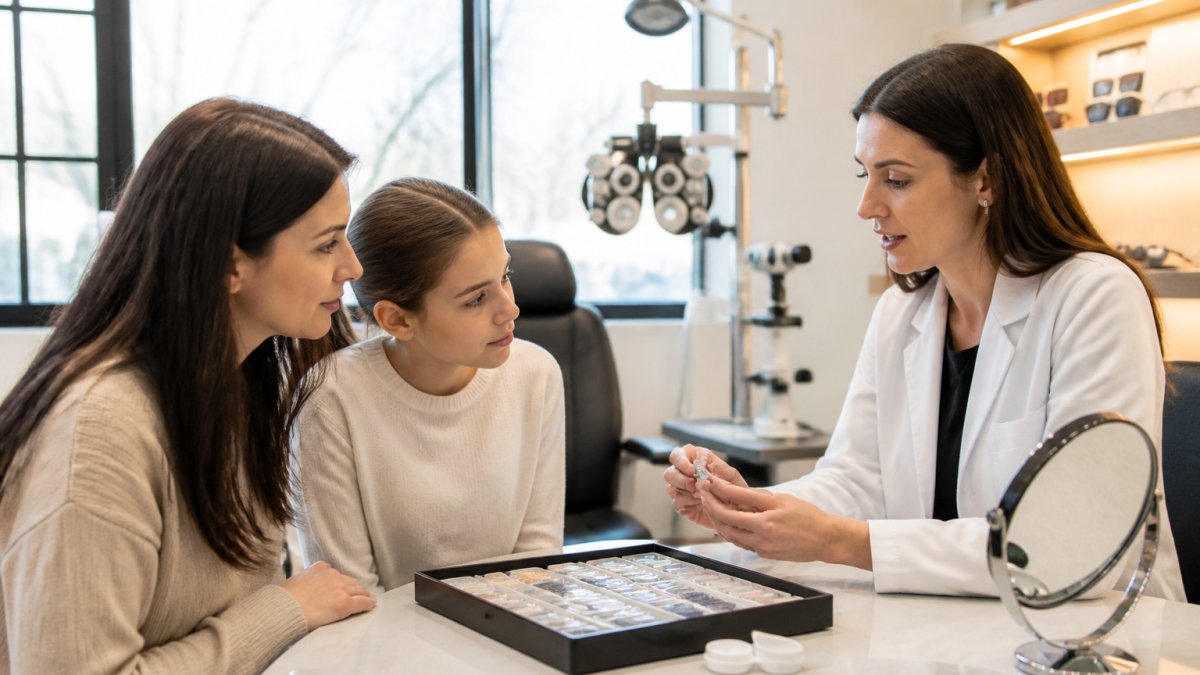
Start by asking yourself these questions:
Does your child have active lifestyle demands? If your child plays competitive sports, swims regularly, or does outdoor activities where eyewear is impractical, Ortho-K's daytime lens-free vision is a major advantage. Soft lenses require removal before swimming and can shift during high-impact activities.
How important is simplicity? If your family values minimal routine, daily disposables like MiSight require the least hands-on care. Ortho-K demands nightly insertion, removal, and case management.
What's your child's comfort level with lens handling? Some children take to lens insertion and removal immediately; others need weeks to feel confident.
How strong is your child's myopia, and how quickly is it progressing? If your child has mild myopia that's progressing slowly, soft multifocal lenses may provide sufficient control.
Questions to Ask Your Eye Care Professional
Before committing to either option, bring these questions to your consultation:
- Is my child's prescription suitable for the lens type we're considering?
- What does myopia control typically look like for children with my child's prescription and progression rate?
- How often will we need follow-up visits, and what do those appointments involve?
- What's the realistic timeline for my child to adapt to this lens type?
- If this approach isn't working after three months, what are our alternatives?
- What's the total annual cost, including fitting, lenses, solutions, and follow-up visits?
At Corner Optical, we help families navigate these decisions with detailed eye exams and honest conversations about what myopia control can and cannot do. We fit both Ortho-K and soft multifocal lenses, and we'll recommend the option that best matches your child's eyes, lifestyle, and your family's preferences.
What Happens When Treatment Stops
If your child stops wearing Ortho-K lenses, the cornea gradually returns to its original shape over days or weeks, and myopia returns to its pre-treatment level.
Soft multifocal lenses work similarly: once your child stops wearing them, myopia control stops. The prescription may continue to progress at a normal rate.
Neither Ortho-K nor soft multifocal lenses cure myopia. Both slow progression while worn, but neither eliminates the underlying myopia or prevents progression if treatment stops.
Some families use Ortho-K or soft multifocal lenses during the high-risk years of childhood and early teens, then transition to standard lenses or glasses once myopia stabilizes in late adolescence. Others maintain myopia control throughout childhood.
Frequently Asked Questions
What is the difference between orthokeratology and soft contact lenses for kids?
Orthokeratology (Ortho-K) uses custom-fitted rigid gas-permeable lenses worn overnight to reshape the cornea, allowing clear daytime vision without lenses. Soft contact lenses are worn during the day and sit directly on the eye's surface. Ortho-K provides glasses-free vision during activities and sports, while soft lenses require daytime wear. Both can slow myopia progression in children when prescribed appropriately, but they differ in convenience, cost, and maintenance requirements.
Are Ortho-K lenses better than soft contact lenses for myopia control?
Both orthokeratology and soft multifocal contact lenses can slow myopia progression in children, but effectiveness varies by individual. Research shows both approaches reduce myopia progression, though outcomes depend on the child's prescription, eye health, and treatment adherence. Neither is universally 'better', the right choice depends on your child's lifestyle, comfort with overnight wear, and your family's ability to manage lens care and follow-up visits. An eye care professional can assess your child's specific situation.
How old should a child be to wear Ortho-K or soft contact lenses?
Most eye care professionals recommend children be at least 8-10 years old before starting contact lenses, as younger children may struggle with insertion, removal, and hygiene. Ortho-K typically requires more maturity due to nightly handling and cleaning routines. Soft lenses may be suitable for slightly younger children if they demonstrate responsibility. The right age depends on your child's maturity level, ability to follow instructions, and eye health. Consult your eye care professional to determine readiness.
What are the main safety concerns with Ortho-K and soft contact lenses for children?
Both lens types carry infection risks if not cleaned and handled properly. Ortho-K requires careful nightly insertion and removal, plus daily cleaning with prescribed solutions; improper care can lead to corneal infection. Soft lenses must be cleaned daily, stored in fresh solution, and replaced on schedule to prevent bacterial growth. Both require regular eye exams to monitor corneal health and ensure proper fit. Children must be taught strict hygiene habits, and parents should supervise care. Any redness, discomfort, or vision changes warrant immediate professional evaluation.
Can children switch from Ortho-K to soft contact lenses or vice versa?
Yes, children can switch between Ortho-K and soft contact lenses with professional guidance. If switching from Ortho-K to soft lenses, the cornea will gradually return to its original shape over days to weeks, so a new soft lens prescription may be needed. Switching from soft lenses to Ortho-K requires custom fitting and an adaptation period. Any transition should be planned with your eye care professional to ensure proper fit, correct prescription, and continuous myopia control. Timing and monitoring are important to maintain vision correction during the switch.
Choosing between orthokeratology and soft contact lenses for your child is a decision that deserves expert guidance tailored to your child's eyes and lifestyle. At Corner Optical, we provide comprehensive eye exams and personalized recommendations for myopia management. Schedule an appointment with our team to discuss which approach makes sense for your family, and let us help you slow your child's myopia progression with a solution that fits your daily routine.